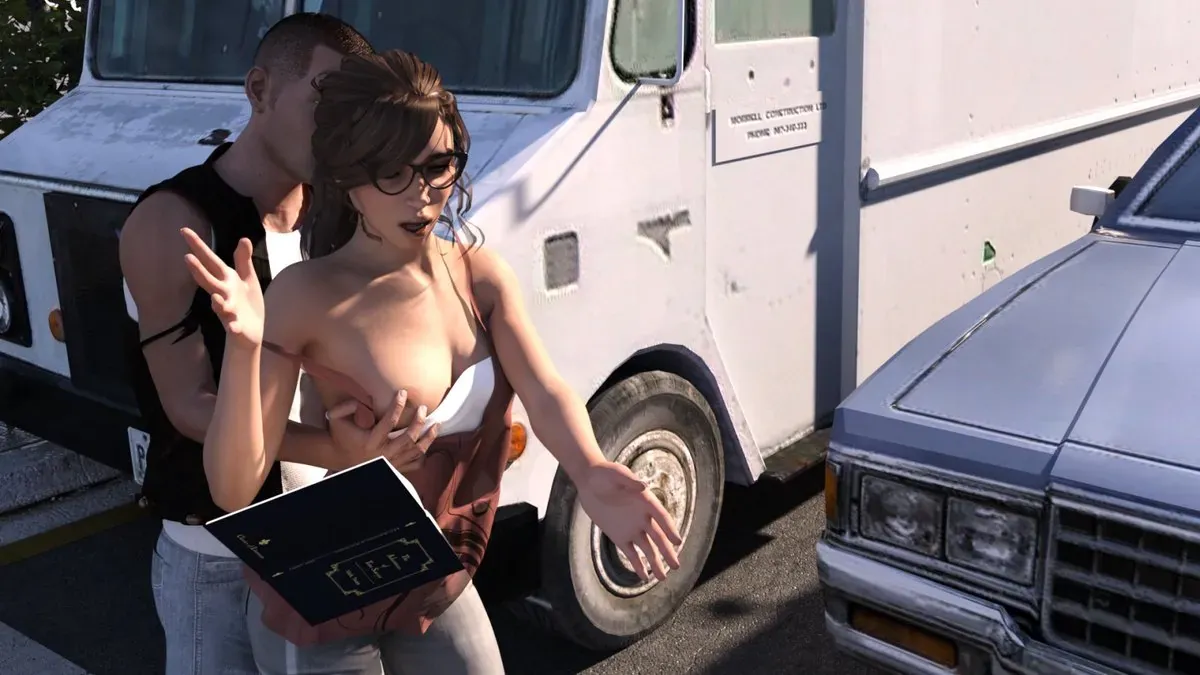
Play Between Two Worlds
Between Two Worlds Screenshots

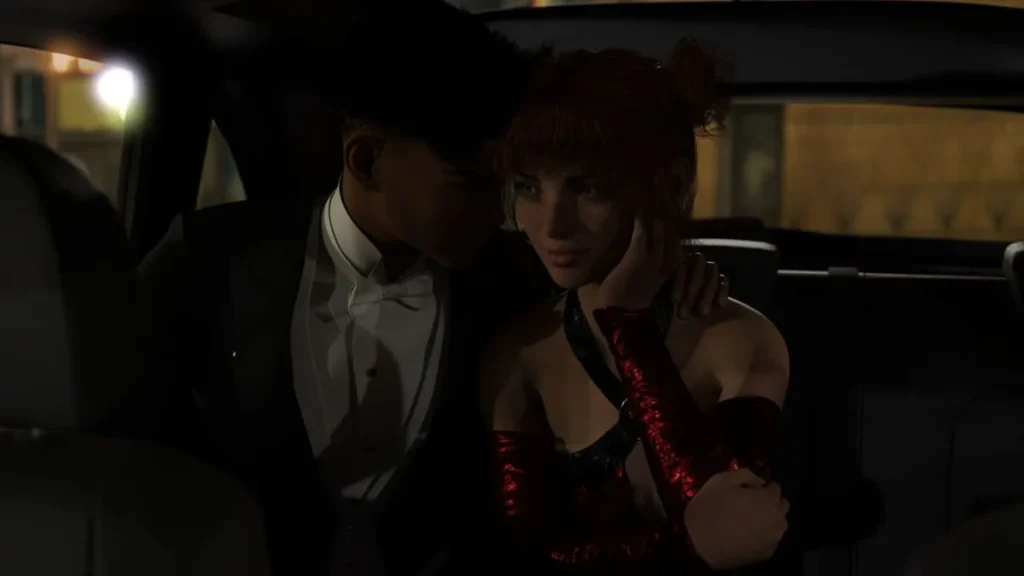
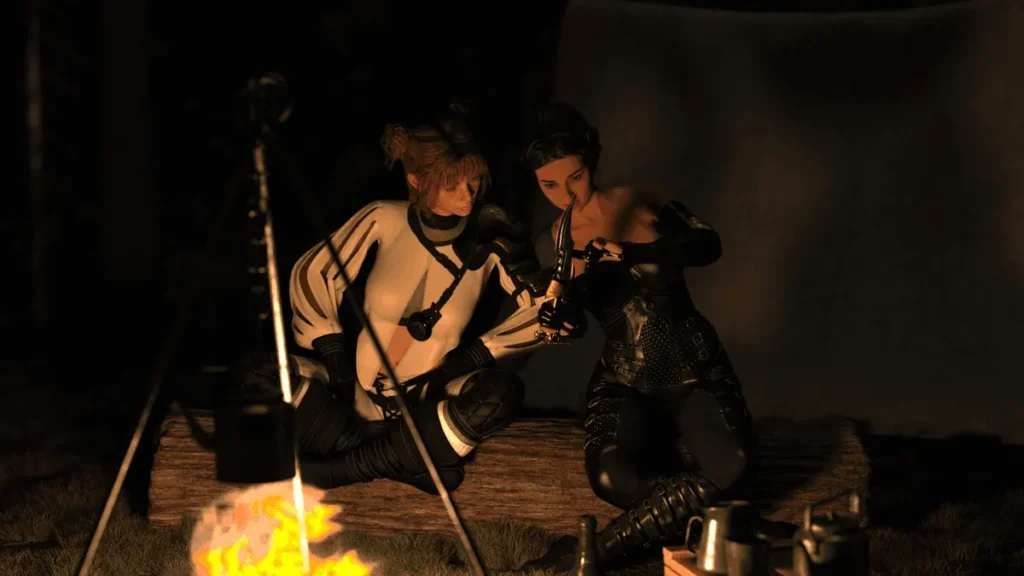
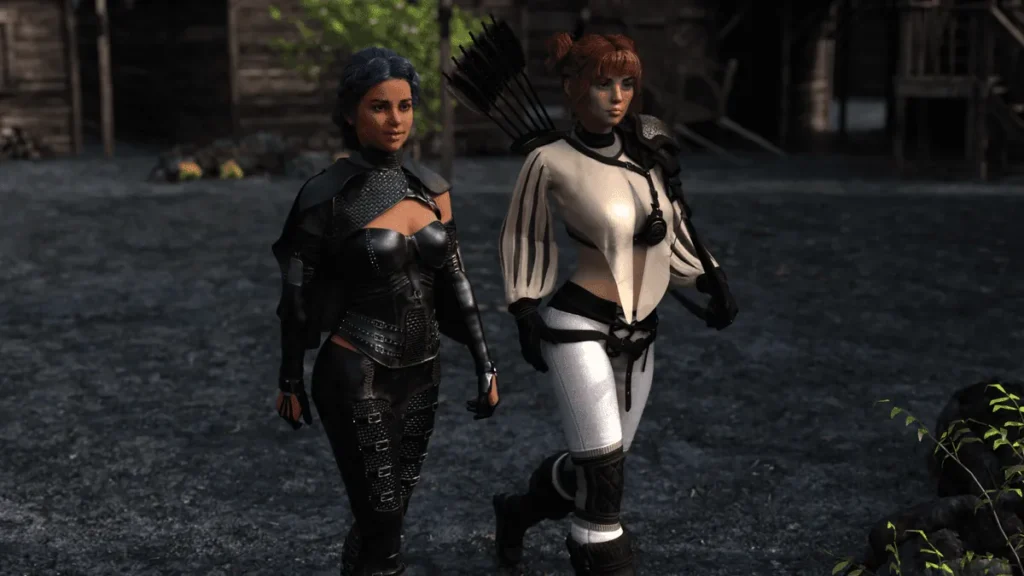
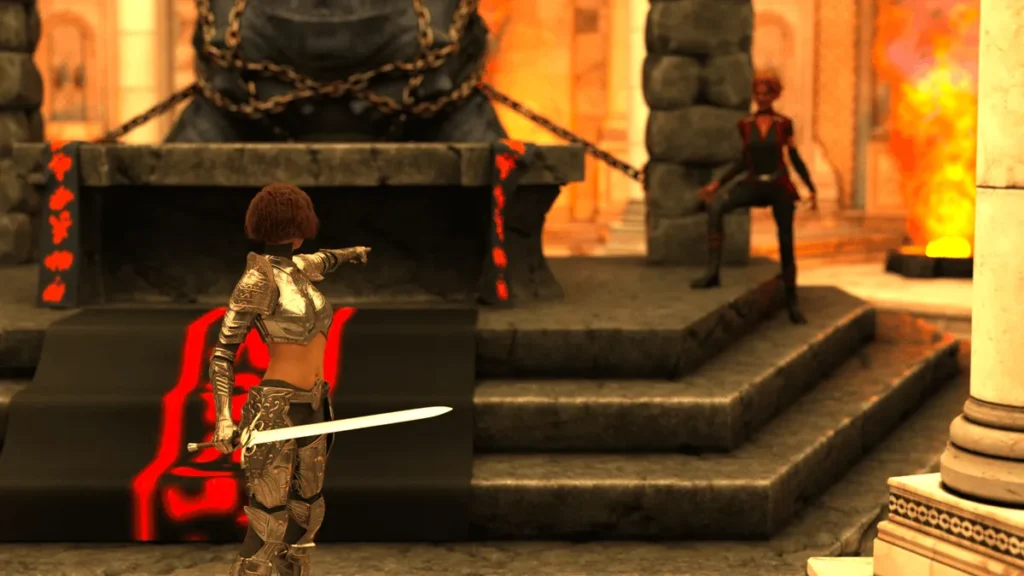



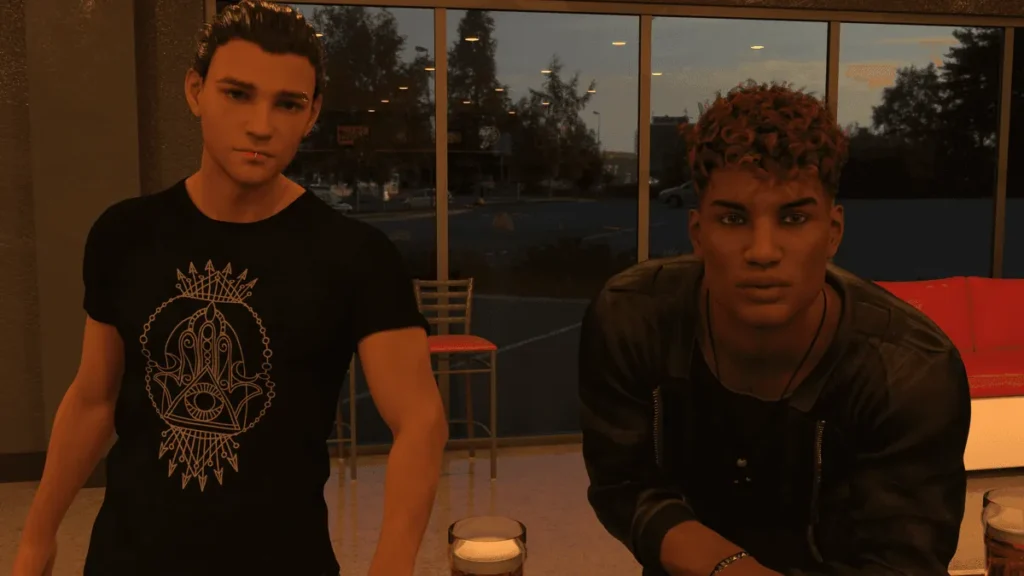
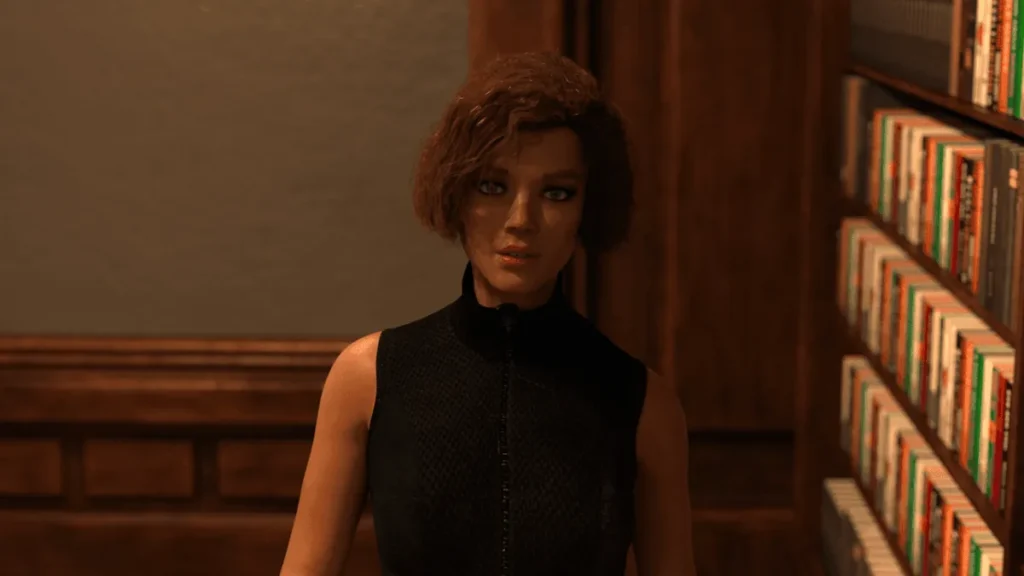
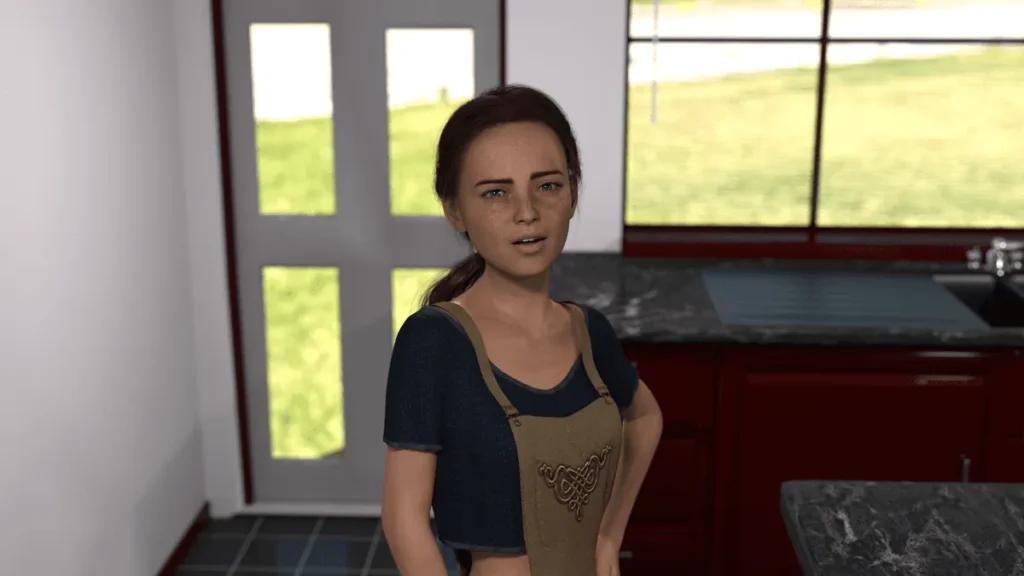
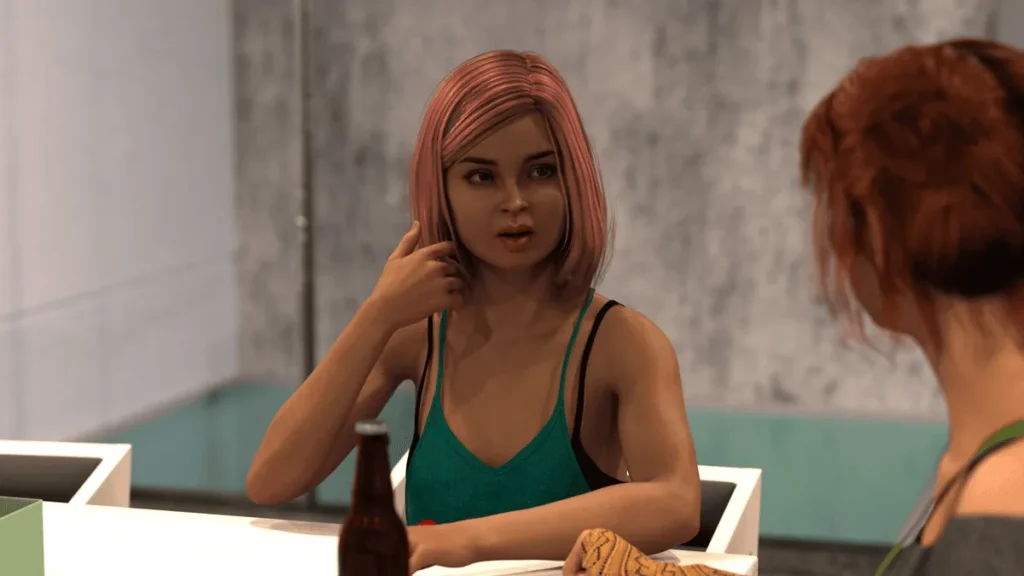
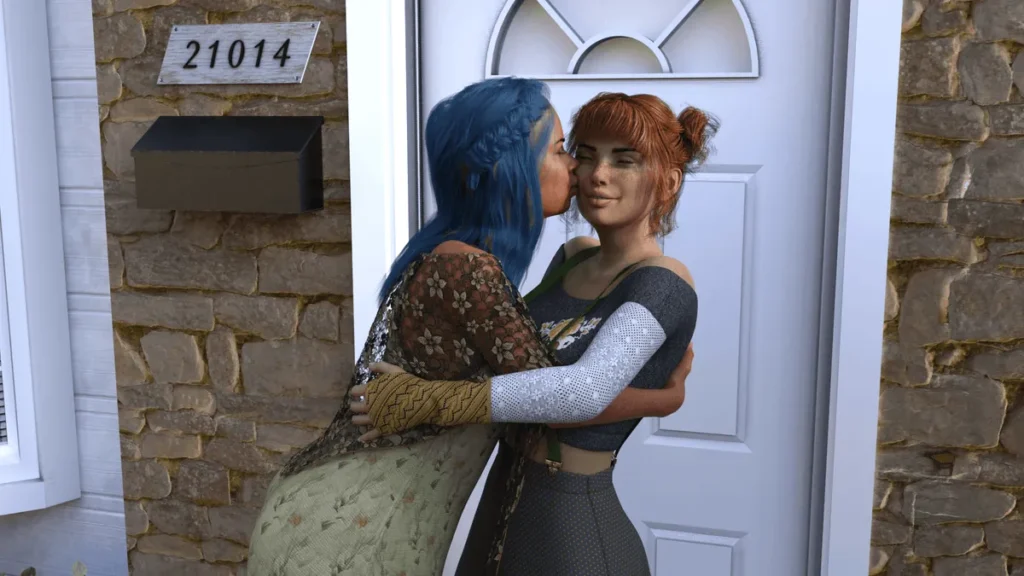


Between Two Worlds review
Explore choices, endings, and gameplay mechanics in this interactive narrative experience
Between Two Worlds stands out as an interactive visual novel that prioritizes player agency and meaningful decision-making. This narrative-driven experience combines impactful choices with multiple endings, allowing players to shape their journey through branching storylines. Whether you’re interested in understanding the game’s core mechanics, exploring its character relationships, or discovering what makes this visual novel unique, this guide provides everything you need to know about the game’s features, gameplay systems, and what to expect from your playthrough.
Understanding Between Two Worlds: Core Gameplay and Features
Ever felt like your decisions in a game don’t really matter? 😕 You pick a dialogue option, and maybe the character smiles differently, but the story chugs along the same predetermined track. I’ve been there, and it can leave you feeling more like a spectator than a participant. That’s exactly why my first playthrough of Between Two Worlds was such a revelation. This isn’t just another story you watch unfold; it’s a world you genuinely shape with every thought, word, and action.
Between Two Worlds is a masterclass in the visual novel genre, but it elevates the format into something profoundly personal. It presents you with a beautiful, haunting narrative about a character straddling two realities, and then hands you the keys. The core promise—and its brilliant execution—is that your choices carry weight. This interactive narrative experience is built from the ground up to ensure that no two journeys are the same, making it a choice-driven narrative game in the truest sense.
What Makes This Visual Novel Stand Out
So, what separates Between Two Worlds from the crowd? It’s the seamless fusion of high-stakes storytelling with tangible, mechanical consequence. From the moment you start, you’re not just reading a story; you’re navigating it. The game masterfully uses its visual novel foundations—stunning character art, evocative backgrounds, and a gripping soundtrack—not as a passive slideshow, but as the dynamic stage for your version of events.
I remember a specific moment early on, a seemingly casual chat with a key ally. The game presented me with three responses: one diplomatic, one skeptical, and one openly fearful. Thinking it was just flavor, I chose skepticism. Hours later, when I desperately needed that ally’s trust, they hesitated, recalling my earlier doubt. The game had remembered what I’d forgotten. That’s the magic here.
Key features that define the Between Two Worlds experience include:
- A Deeply Branching Narrative Skeleton: The plot isn’t a line; it’s a sprawling, intricate web. Early choices can open up or permanently close off entire story chapters and character arcs.
- The Relationship Matrix: Every major character has a hidden relationship score that changes with almost every interaction. This doesn’t just affect endings; it changes how characters speak to you, what secrets they reveal, and if they’ll help you in a crisis.
- The “World State” Tracker: Your decisions alter the political, spiritual, and emotional landscape of both worlds. The game tracks these shifts, influencing which events trigger and which characters you even encounter.
- Pacing with Purpose: Choices aren’t dumped on you in overwhelming batches. They are carefully spaced, giving each decision narrative room to breathe and make its consequences felt, enhancing the interactive narrative experience.
It’s this meticulous architecture beneath the beautiful surface that makes Between Two Worlds visual novel so compelling. You’re constantly aware that you’re walking a path you’re creating in real-time. 🗺️
Choice-Driven Narrative System
At the heart of this experience is what I consider one of the most sophisticated choice-driven narrative game systems I’ve encountered. Forget simple “Good / Evil / Sarcastic” meters. Between Two Worlds deals in shades of gray, motivation, and consequence.
The system works on multiple layers. The most obvious is the branching dialogue gameplay. When you speak, you’re often choosing between philosophies or emotional approaches rather than just words. For instance, will you advocate for unity between the two worlds, or protect your own at all costs? Will you lead with empathy or logic when confronting a lost soul? These aren’t cosmetic choices.
Beneath the dialogue lies the real engine: the impactful choices game mechanics. These are the major, often timed decisions that appear at critical junctures. Do you risk crossing a dangerous rift to save a stranger, or secure your own route to safety? I made a split-second decision to trust a mysterious figure, and it unlocked a whole companion questline I later learned is completely missable. The game doesn’t highlight these moments with flashing lights; it presents them as natural, urgent crossroads, making your instinctive response the guiding force.
The true genius is how these systems intertwine with visual novel character relationships. Your dialogue builds (or erodes) trust, and your major actions test the limits of that bond. A character might adore you for your compassionate words, but if your pivotal actions betray their core values, that relationship can shatter irreparably. It feels authentic, messy, and incredibly rewarding when you nurture a bond that survives the story’s trials.
Pro Tip: Don’t savescum! (Reloading a save to try different choices immediately). The power of Between Two Worlds is in living with your decisions. Play through your first run blind and embrace the consequences—good or bad. It makes the story yours.
FAQ: Your Choices in Between Two Worlds
- Q: Can I “fail” or get a game over from bad choices?
- A: Absolutely. Certain decisive actions or accumulated distrust can lead to premature endings. This isn’t failure; it’s a valid, often tragic, conclusion to your specific story thread.
- Q: Are there “right” and “wrong” choices?
- A: Not in a moral sense. There are choices that align with specific outcomes or character alignments you might desire. The “right” choice is the one that feels true to the character you’re role-playing.
- Q: How does the game track all my small decisions?
- A: Through a complex flag system. Every minor dialogue selection or action sets a hidden “flag.” Later events check for combinations of these flags to determine what happens, creating a unique narrative fingerprint for your playthrough.
Multiple Endings and Replay Value
This is where everything comes together: the multiple endings visual novel aspect. Saying Between Two Worlds has multiple endings is an understatement. It has endings, and variations within those endings, and epilogues shaped by your final world state. We’re not talking about a different still image and paragraph of text. The culmination of your branching storyline gameplay results in fundamentally different final acts, resolutions for each character, and fates for the two worlds themselves.
My first ending was bittersweet. I had mended a key relationship but failed to prevent a major schism. The final scenes focused on sacrifice and the cost of my idealism. Curious, I replayed from a mid-point save, making one major decision differently. The entire final chapter changed—new locations, different allies by my side, and a conclusion filled with hope and unity. It felt like a completely different story.
The replay value is astronomical, and it’s designed to be explored. The game features a robust chapter select and a “History of Choices” log after you complete it once, allowing you to jump back to key branches. You’ll want to see how choosing a different mentor, romancing a different character, or embracing a different ideology reshapes the tale.
To illustrate the scope, here’s a simplified look at how some core narrative pillars combine to shape your finale:
| Your Primary Alignment | Key Relationship Status | Major World Decision | Potential Ending Theme |
|---|---|---|---|
| Champion of Unity | Allied with the Spiritual Guide | Opened the Eternal Gateway | Harmonious Fusion |
| Protector of the Old World | Betrayed by the Military Leader | Destroyed the Bridge | Isolated Preservation |
| Seeker of Power | Manipulated the Ancient Entity | Claimed the Throne of Shadows | Tyramical Convergence |
This branching storyline gameplay extends to character epilogues as well. The fate of every major companion is individually determined, providing deeply satisfying (or heartbreaking) closure to those visual novel character relationships you’ve nurtured.
Ultimately, Between Two Worlds understands that the most powerful stories are the ones we co-author. It provides the framework, the compelling characters, and the beautiful, dual-world setting. You provide the soul, the intent, and the moral compass through its impactful choices game mechanics. It’s more than a game you play; it’s a story you live, regret, cherish, and inevitably return to, eager to explore the roads not taken. That’s the hallmark of an unforgettable interactive narrative experience. ✨
Between Two Worlds delivers a compelling visual novel experience centered on meaningful player choices and branching narratives. The game’s strength lies in its commitment to player agency, where decisions genuinely shape character relationships and story outcomes, encouraging multiple playthroughs to explore different paths. With its focus on impactful choices, character development, and multiple endings, the game offers substantial replay value for players seeking an interactive narrative experience. Whether you’re drawn to story-driven games, character-focused narratives, or the visual novel genre itself, Between Two Worlds provides an engaging experience that rewards exploration of its various branching storylines. Start your journey today and discover how your choices shape the world between two worlds.