Halfway House
Play Halfway House
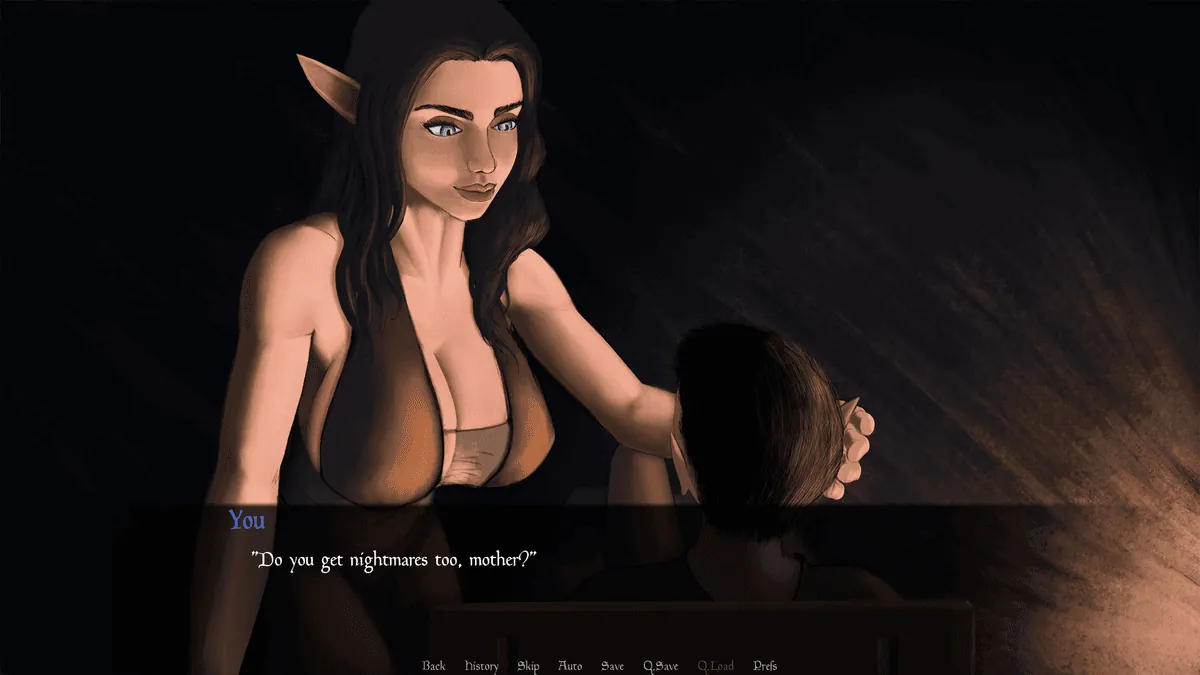
Halfway House Screenshots











Halfway House review
Master Choices, Characters & Secrets in This Gripping Visual Novel
Ever wondered what life throws at you after juvie in the steamy world of Halfway House? This visual novel drops you as a 19-year-old fresh out of detention, navigating probation at a remote halfway house packed with tempting roommates and tough choices. Developed by Az, with Episode 11 now live, it’s a slow-burn mix of drama, relationships, and intimate encounters that hooked me from the first branching path. I’ll share my playthrough mishaps, pro tips for maxing corruption or friendships, and how to unlock those elusive scenes—let’s dive into why Halfway House deserves your next gaming session.
What Makes Halfway House Gameplay Addictive?
Let me tell you about the time I completely torpedoed my chances with Lily in my first-ever run of Halfway House. 🥲 I was just a few episodes in, feeling pretty good about our connection, when a seemingly minor choice popped up: helping her cover up a small mistake. Thinking I was being a supportive friend, I agreed. What I didn’t realize was that this single decision wasn’t just about kindness—it was a pivotal point that fed into the Halfway House corruption system. By the time I reached a critical scene in Episode 5, I was horrified to find her route completely locked. The game just… moved on, leaving our story thread dangling. I’d missed my shot, all because I didn’t understand how deep the Halfway House gameplay hooks go.
That moment of shocking consequence is exactly what makes this visual novel so compelling. You’re not just picking polite dialogue options; you’re actively shaping the soul of the story with every click. There’s no hand-holding, no “this choice will improve your relationship with Lily” pop-up. The weight of your decisions is something you feel only as the story unfolds, and it’s what makes mastering its choice driven paths Halfway House so incredibly rewarding.
What Keeps You Coming Back to Halfway House? 😮💨
At its heart, the Halfway House gameplay loop is a constant, thrilling dance with cause and effect. The narrative is built on a foundation of Halfway House branching paths that split and diverge from the very first episode. A choice you make in Episode 2 can quietly close a door in Episode 7, or open a secret window you didn’t even know existed in Episode 10. This isn’t a game you simply “play through.” It’s a world you explore, experiment with, and, yes, sometimes ruin before you learn how to build it back up.
The structure is episodic (we’re up to Episode 11 as of this guide!), and the developers are smart about it. They frequently prompt you to save, and you should listen! 🎮 These episodes aren’t linear chapters; they are complex webs where your accumulated choices dictate which scenes you see, which conversations are available, and ultimately, which character’s truth you get to uncover. The sound of a “click” when a new path unlocks or a relationship meter ticks over is pure serotonin for a reason—it means you’ve truly influenced this living world.
How Choice-Driven Paths Shape Your Story? 🧭
So, how does it all work? Let’s break down the two invisible engines driving your unique story: corruption and relationship meters.
Think of Halfway House relationship meters as the heart of your connections. Each main character has one, and it’s influenced by every supportive, kind, or shared moment you choose. Want a deep, emotional bond with a character? This is your path. It’s about building trust, offering genuine support, and choosing companionship over personal gain. These meters are often slow to build, requiring consistent care, and they lead to the game’s most heartfelt and collaborative conclusions.
On the flip side is the Halfway House corruption system. This is the spine of the game’s darker, riskier narrative avenues. Corruption isn’t about being “evil” in a cartoonish way—it’s about embracing power, manipulation, and morally grey areas for personal advantage. It’s represented by a point system, and certain thresholds unlock specific scenes and endings. Remember my Lily fail? That’s because I accidentally crossed a corruption threshold (needing 70+ points before Episode 5) that shifted our dynamic entirely, locking me into what fans call her “bad” ending route for that playthrough.
The genius is how these systems clash and intertwine. You can’t max out every relationship meter while also diving deep into corruption. The game forces you to choose a lane. Will you be the supportive friend who helps everyone heal, or will you pull strings from the shadows, creating dependencies and secret alliances? This tension is the core of the Halfway House gameplay experience.
To visualize the fork in the road, here’s a breakdown of what each path entails:
| Path Type | Key Triggers | Outcome Examples |
|---|---|---|
| Friendship | Choosing supportive dialogue, declining manipulative opportunities, participating in group activities, offering honest advice. | Emotional confessions and vulnerability, collaborative plans for the future, endings focused on mutual healing and strong platonic or romantic bonds. |
| Corruption | Agreeing to blackmail or shady favors, using information for leverage, choosing isolating or possessive dialogue, pursuing secret, risky meetings. | Shifts in power dynamics, secret rendezvous and transactions, endings where relationships are based on control, dependency, or shared secrets. |
Mastering the Corruption and Relationship Systems ⚖️
Understanding these systems is your key to unlocking the stories you want to see. Here’s my hard-earned Halfway House walkthrough tips on managing them:
First, commit early. The choice driven paths Halfway House offers are designed for specialization. Around Episode 3 or 4, you’ll get a feel for which character or style (friendship vs. corruption) resonates with you. Double down on it. If you’re pursuing a friendship path with Sarah, consistently choose options that align with her values and reject corruption triggers, even if they seem tempting in the short term. Mixing and matching will often leave you in a narrative no-man’s-land, missing the high-point thresholds needed for specific conclusions.
Second, corruption points are permanent and cumulative. There’s no easy way to shed them. A single decision to, say, blackmail another resident (a major trigger!) will permanently alter your corruption score and the story’s available Halfway House branching paths. I learned this the hard way in another playthrough. I thought I could do “one little favor” for a character and then go back to being a saint. The game remembered, and two episodes later, a character I was trying to befriend looked at me with suspicion because of that single past action. The consequences ripple beautifully.
Finally, track your progress. Because the game doesn’t show you numerical values, using a spoiler-free guide or walkthrough to understand the major choice points is almost essential for a targeted playthrough. Knowing that “Option A” gives +3 Corruption or that “Option B” is crucial for Chloe’s relationship meter before Episode 8 saves you from the heartbreak of a locked route.
Pro Tips from My Multiple Playthroughs 🏆
After more hours than I’d care to admit, here’s my actionable advice to help you conquer the Halfway House gameplay loop:
- Commit to a Single Path Per Playthrough: Stop trying to make everyone happy. Pick one primary character and one primary alignment (Friendship or Corruption) and stick to it like glue. You’ll experience a much richer, more coherent story.
- Save, Save, and Save Again: Use all the save slots. Save before every major choice, and use descriptive names like “Before_Ep4_Lily_Choice.” The episodic structure with clear save prompts is a gift—use it to explore Halfway House branching paths without losing 10 hours of progress.
- Use a Guide for Hidden Triggers: Some relationship or corruption points are hidden in seemingly innocuous dialogue or require specific sequences. A good guide is invaluable for hitting those critical thresholds, like the 70+ corruption for Lily’s route.
- Export Saves for Version Updates: When a new episode drops, you can continue your old save. But I highly recommend exporting it from the old version and importing it into the new one. It prevents odd glitches and ensures your choice driven paths Halfway House history is carried over cleanly.
- Embrace the Slow Burn: The most satisfying payoffs in Halfway House come from patiently built tension. A corruption path where the power dynamic shifts gradually over 10 episodes is infinitely more gripping than a quick scene. Let the Halfway House relationship meters and corruption system simmer.
So, why does this all work so well? Because Halfway House understands that real tension comes from meaningful consequences. That slow burn—watching a relationship meter climb or a corruption score secretly tick over—creates a deeper connection to the story than any instant reward could. It makes your version of the house, its residents, and their secrets uniquely, powerfully yours. Now get back in there, make some bold (or careful) choices, and see where your path leads. Just remember to save first! 😉
Halfway House pulls you into a world of tough choices, deep relationships, and rewarding payoffs that feel real after that slow build-up. From my epic fails to those thrilling unlocks in later episodes, it’s a game that keeps you coming back for more paths and secrets. If you’re craving a visual novel with heart, drama, and spice, fire it up today—grab the latest Ep.11, pick your route, and see where your decisions take you. What’s your first move going to be? Dive in and share your stories below!