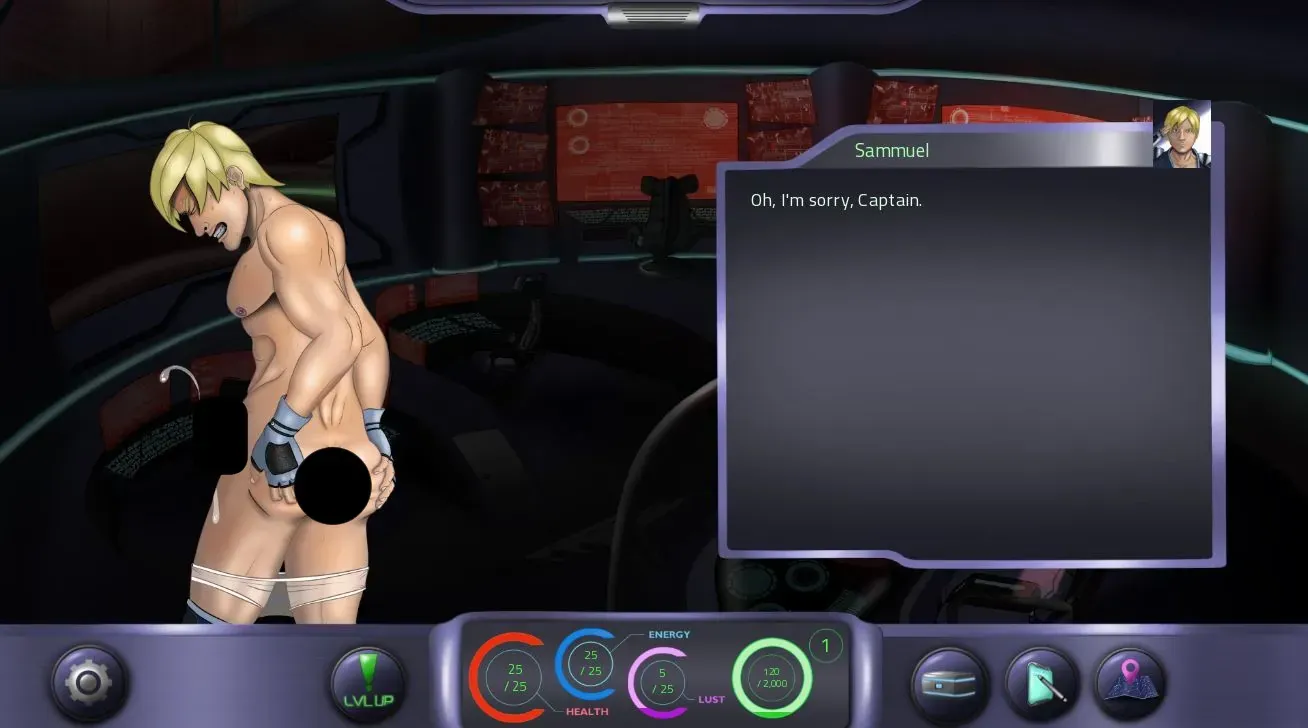
My Time with You
Play My Time with You
My Time with You Screenshots
























My Time with You review
Explore storylines, characters, and gameplay mechanics in this narrative-driven experience
My Time with You stands out as a narrative-driven experience that combines engaging storytelling with interactive gameplay elements. Players have praised the game’s character development and emotional depth, though some note that the pacing takes time to build momentum. Whether you’re new to the game or looking to optimize your playthrough, understanding the core mechanics, story structure, and character relationships is essential. This guide covers everything you need to know about My Time with You, from initial setup through advanced gameplay strategies.
Understanding My Time with You: Gameplay Mechanics and Story Structure
Let me tell you a story about my first few days in My Time with You. I woke up in my simple room, was given a basic task, and thought, “Okay, let’s go meet the townsfolk!” I immediately ran into a character who proceeded to talk… and talk… and talk. My cursor clicked, but the monologue seemed endless. Then, I tried to go fishing to relax, only to be told my skill was too low to even attempt the quest I’d just accepted. I was broke, tired by 2 PM, and utterly lost on how to make friends. I nearly quit. 🫠
But I’m so glad I didn’t. What feels like a wall at the start is actually the game teaching you its unique language. My Time with You isn’t a typical farming sim or visual novel; it’s a deliberate, narrative-driven life simulation where every mechanic is woven into its story of recovery and connection. This chapter will break down those very My Time with You gameplay mechanics and story structures that confused me at first, so you can skip the frustration and dive right into the heart of the experience.
Core Gameplay Systems and Progression
At its heart, My Time with You is a game about rhythm. Your core loop revolves around the My Time with You daily routine. Each day, you have a pool of Stamina and a set amount of in-game hours. You can spend these on:
- Labor Work: This is your primary source of income and basic materials. Think chopping wood, mining ore, or basic foraging. It’s repetitive by design, mirroring the protagonist’s initial need for simple, mindless work.
- Skill Activities: Want to fish, cook, or craft? You must spend time and stamina doing these actions to slowly improve.
- Socializing: Talking to characters costs time, but no stamina. However, lengthy conversations can eat up your entire morning!
Here’s the critical part: Sleep is not optional. Once your stamina depletes or the clock hits a certain late hour, you’ll be forced to go to bed. This cycle is the backbone of the game’s progression. Days move forward, story flags check themselves, and the world changes based on your routine.
My Pro-Tip: Don’t fight the stamina system early on. Plan your day in two blocks: a high-stamina labor block for income in the morning, and a low-stamina social/exploration block in the afternoon. This prevents you from collapsing exhausted at 1 PM!
The quest system often ties directly into this grind. Let’s use the classic My Time with You fishing quest guide example. An NPC might ask for 5 Rainbow Carp. This isn’t a simple fetch quest. You’ll need:
1. A fishing rod (which requires resources/money).
2. A sufficient Fishing skill level to catch that fish type.
3. Knowledge of where and when that fish spawns.
4. The stamina and time to actually make the attempts.
This makes every completed request feel earned. Your skill investment directly gates story and resource access, making progression deeply personal. You can’t do everything at once, so you choose which path—which part of the town’s story—you want to unlock first.
Story Pacing and Character Development
This is where many players, including myself, hit a wall. Let’s address the My Time with You story pacing head-on: the beginning is slow. Deliberately so. The first 70% of Chapter 1 is a deliberate simmer. You’re meant to feel the monotony of routine, the quiet isolation of a new place, and the awkwardness of first meetings. The game holds its cards close.
Then, you hit a turning point. Around that 70% mark, threads start connecting. A casual remark from days ago becomes crucial, a character’s aloofness reveals its painful reason, and your daily grind transforms into a meaningful part of the community. The pacing explodes from a walk into a sprint, and everything you’ve done—every log chopped, every fish caught—feels newly significant. It’s a bold narrative choice that pays off for patient players. ✨
This story is delivered through a text-heavy, monologue-driven style. Unlike traditional visual novels that rely heavily on expressive sprites and varied CGs, My Time with You often places you in a static scene while a character speaks their mind for paragraphs. You’re not just watching a scene; you’re being given direct access to their internal world. It’s less about showing a character is anxious through a sprite, and more about letting you read their exact, rambling thoughts on anxiety for three minutes. This creates an unmatched intimacy but requires a different kind of engagement from the player.
Central to this are My Time with You character relationships. There is no traditional “affection point” system plastered on your screen. Instead, relationships grow organically through:
* Choice-Driven Dialogue: Your responses in long conversations can open up new branches of dialogue or close others. There are rarely “right” or “wrong” answers, but rather choices that shape how a character perceives you.
* Quest Participation: Helping someone with their personal struggles is the fastest way to deepen a bond.
* Consistent Presence: Simply talking to someone daily, even briefly, builds familiarity.
The development isn’t about gifting perfect presents. It’s about being a consistent part of someone’s life and listening—truly listening—to their lengthy, sometimes meandering, stories.
Skill Systems and Resource Management
The My Time with You skill progression system is your engine for interacting with the world. It’s a classic RPG-style system where performing an action grants experience toward that skill. Leveling up a skill unlocks new recipes, reduces the stamina cost of related actions, and, most importantly, unlocks critical quest and story steps.
Managing this is the key to efficiency. You cannot max all skills quickly, so you must specialize based on your goals. Want to focus on the fisherman’s story? Pour your early days into Fishing. Want to help rebuild the old community hall? Focus on Labor and Foraging.
Here is a breakdown of the core skills to help you plan:
| Skill | Primary Actions | Key Benefits & Unlocks | Recommended Early Investment |
|---|---|---|---|
| Fishing | Fishing at various spots | Access to better fish for quests and income, ability to use better rods, unlocks specific character events. | High – Many early quests and a major story arc rely on this. |
| Labor | Chopping, Mining | More resources per action, unlocks better tools, essential for upgrade quests. | Medium-High – Necessary for earning money and progressing basic town projects. |
| Foraging | Gathering plants, berries | Discovers cooking ingredients and rare quest items, reduces stamina cost for exploring. | Medium – Passively levels as you explore; crucial for some character-specific requests. |
| Social | Conversations, Completing Character Quests | Unlocks deeper dialogue options, grants discounts at shops, triggers personal story events. | Passive – Levels naturally as you engage with the story. Prioritize 2-3 characters you like. |
| Crafting | Using the workshop | Allows tool upgrades and creation of gift items, required for home and town improvements. | Low-Medium – Focus only when a quest demands it to save resources. |
Resource management follows a simple mantra: Don’t sell everything, and hoard wisely. Common resources like wood and stone will be needed in large bundles for later quests. That rare fish you caught might be a key gift for a character’s favorite item tomorrow. I learned this the hard way after selling a “useless” decorative seashell, only to find it was the last item needed for a quest I accepted the next day!
A final piece of actionable advice: Your first major resource goal should be upgrading your toolset. A better axe means more wood per stamina point, which means more money and resources per day, which snowballs into everything else. It’s the most impactful early-game investment you can make.
Frequently Asked Questions
Q: I’m stuck! How to trigger events in My Time with You? Nothing seems to be happening.
A: This is the most common issue. Events are almost always gated by a combination of three things: Story Progression (have you reached the required day in the chapter?), Skill Level (is your Fishing high enough for the fisherman’s event?), and Relationship Frequency (have you spoken to this character consistently?). If an event isn’t firing, double-check your skill journal and focus on your daily routine for a few in-game days. The game runs on a hidden schedule; sometimes you just need to wait for the right day.
Q: I failed the fishing quest for the Rainbow Carp. Can I retry it?
A: Yes! Most quests in My Time with You are not missable. The NPC will typically remain waiting with the same request. Use the “failure” as guidance to focus your efforts—grind your Fishing skill at easier spots, save up for a better rod, and consult your log for the fish’s location hints. The quest will be there when you’re ready.
Q: Are all characters available to befriend from the start?
A: No. Part of the My Time with You story pacing involves characters being introduced gradually as the main story unfolds. Some won’t appear in town until you’ve completed certain chapter milestones. This keeps the social landscape from feeling overwhelming and makes each new arrival a small, meaningful event.
Q: The monologues are so long. Am I supposed to read every single word?
A: While you can click through, I strongly advise against it. The character development is in those monologues. The My Time with You character relationships are built through understanding their intricate thoughts and fears. Skimming might get you through the quest, but it will rob you of the emotional payoff that makes the later story so powerful. Treat it like reading a good novel within your game. 📖
Q: What’s the single best piece of advice for a new player?
A: Embrace the slow burn. Don’t try to min-max your first spring. Talk to people, let your stamina run out, go to bed early, and listen. The My Time with You gameplay mechanics are designed to support a story about healing and building connections, not achieving peak productivity. Your efficiency will come naturally with time and upgraded tools. Let the game’s unique rhythm carry you.
My Time with You offers a rich narrative experience with meaningful character interactions and strategic gameplay elements. While the initial chapters require patience as the story develops, players consistently report that the investment pays off with compelling storytelling and well-written characters. Understanding the skill system, quest mechanics, and character relationship dynamics allows you to maximize your enjoyment and avoid common progression issues. Whether you’re drawn to the emotional depth of character arcs or the satisfaction of optimizing your gameplay strategy, My Time with You delivers a unique experience that rewards both exploration and careful planning. Take your time with the game, invest in skills strategically, and pay attention to character choices to unlock the full potential of this narrative-driven adventure.