
Randel Tales
Play Randel Tales
Randel Tales Screenshots



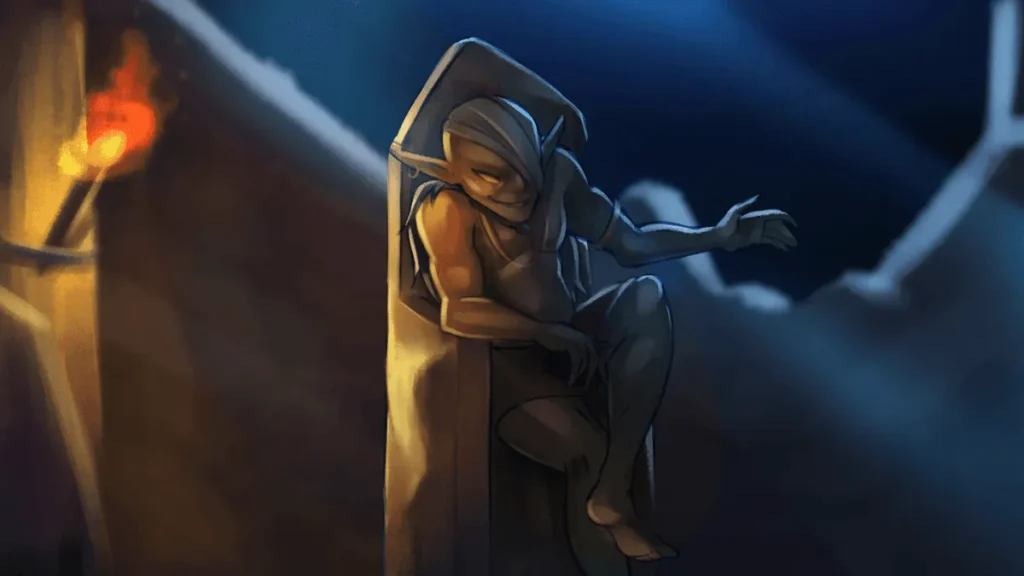




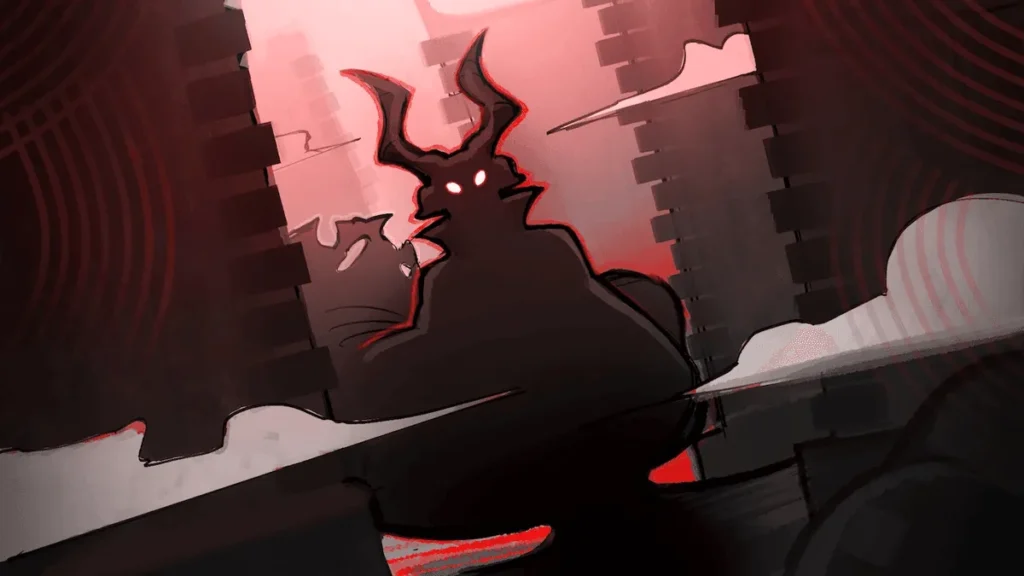
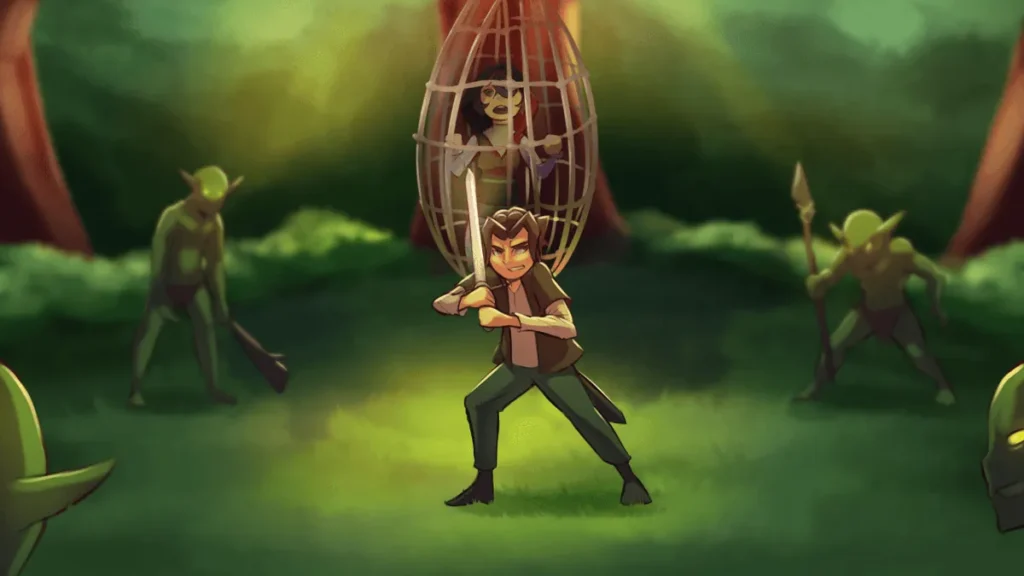






Randel Tales review
Explore the mechanics, character interactions, and decision-making systems in this narrative-driven adventure
Randel Tales stands out as a narrative-driven adventure that combines engaging storytelling with meaningful player choices and consequence-driven gameplay. This game has garnered attention for its character-focused narrative, intricate decision-making systems, and the way player choices genuinely impact story outcomes. Whether you’re interested in understanding the game’s mechanics, exploring character relationships, or learning about the various gameplay systems at work, this guide covers everything you need to know about what makes Randel Tales a unique gaming experience. The game balances multiple gameplay elements including stat management, memory-based challenges, and branching narrative paths that reward careful attention and strategic decision-making.
Understanding Randel Tales Core Gameplay Mechanics
Diving into Randel Tales for the first time can feel wonderfully overwhelming. 🎮 It’s a game that doesn’t hold your hand, instead trusting you to navigate its rich, living world. This trust is the core of its magic, but it also means its Randel Tales gameplay mechanics aren’t always explained upfront. You’re not just playing a story; you’re actively building a character and shaping a world through a web of interconnected systems.
This guide will pull back the curtain on those systems. We’ll break down how you grow your character, how the game tests your knowledge and skill, and, most importantly, how every choice you make echoes into the future. Understanding this is key to moving from a confused newcomer to a master of this narrative-driven adventure.
How the Stats and Progression System Works
Let’s start with the foundation of your character: the stats. In many games, if you spend an afternoon practicing swordplay, your strength goes up. Randel Tales takes a different, more deliberate approach. This is a core part of the stats system progression that often trips players up.
Here’s the truth the game doesn’t shout from the rooftops: simply performing an action, like studying a magic tome or tracking beasts in the forest, does not automatically increase a related stat. 🧠 Instead, these activities earn you Stat Points. It’s your job, as the player, to manually allocate these points into the attributes you want to improve. I learned this the hard way after spending my first few in-game days buried in books, only to find my ‘Intellect’ stat hadn’t budged an inch! I had a pile of points I didn’t know I needed to spend.
This design choice is brilliant. It turns progression from a passive grind into an active character-building decision. Do you invest the points you earned from a difficult hunt into ‘Strength’ to become a better warrior, or into ‘Charisma’ to better navigate the social intricacies of the Academy? The power and the responsibility are yours. This is the essence of how to allocate stat points strategically.
The main stats you’ll be managing typically include:
| Stat Name | Primary Influence | Common Activities That Earn Points For It |
|---|---|---|
| Strength | Physical combat, carrying capacity, forcing objects. | Hunting, manual labor, combat training. |
| Intellect | Magic potency, puzzle solving, recalling information. | Studying in the library, researching monsters, deciphering ancient texts. |
| Dexterity | Stealth, precision, lock-picking, avoiding traps. | Practicing archery, sneaking, delicate crafting tasks. |
| Charisma | Dialogue persuasion, bartering, social influence. | Networking at Academy events, successful negotiations, performing. |
| Resilience | Health, stamina, resistance to toxins and fear. | Endurance training, surviving harsh environments, overcoming magical corruption. |
💡 Pro Tip: Don’t hoard your points! I made this mistake, thinking I’d save them for a “perfect” build later. The game’s challenges escalate, and you’ll need those stat increases to pass crucial checks early on. Allocate points as you earn them to meet immediate goals.
The key gameplay systems interact with your progression in a continuous loop:
* Action → Points: You perform world activities (study, hunt, socialize).
* Allocation → Power: You spend earned points to increase specific stats.
* Stats → Opportunity: Higher stats unlock new dialogue options, allow you to pass skill checks, and access previously blocked content.
* Opportunity → New Action: This new content presents further activities, earning more points, and the loop continues.
This creates a deeply personal stats system progression. Your friend’s charismatic diplomat will have a completely different set of experiences and solutions compared to your scholarly mage, all because of how you chose to invest those precious points.
Memory-Based Academy Tests and Skill Checks
Welcome to the most uniquely demanding—and rewarding—aspect of Randel Tales gameplay mechanics: the Academy tests. 🏛️ Forget multiple-choice hints; this game expects you to learn. Early on, you’re given texts like the Monster Compendium or historical archives. The game casually suggests you “look them over.” What it really means is, “You should probably take notes.”
These memory-based challenges are pure. You’ll be sitting in a classroom or standing before a professor, and a question will appear: “What is the primary weakness of a Frost Weevil?” or “Which noble house first settled the Eastern Vale?” Your dialogue options will include the correct answer… if you remember it. There’s no glowing journal entry that pops up during the test. It’s just you and your memory.
My first major test was a disaster. 🤦♂️ I’d skimmed the bestiary but focused on combat stats. When asked about the nesting habits of a Sun Hawk, I blanked. Failing that check didn’t just mean a poor grade; it altered how that professor treated me, closing off a potential mentorship. This mechanic brilliantly turns the game world into a genuine subject of study. You’re not just a hero; you’re a student.
These skill checks and testing extend beyond the classroom into the field. Examining a strange fungus might prompt an Intellect check to identify if it’s poisonous or a valuable alchemical ingredient. The frequency of these checks is something to note. Early in the game, they are abundant, teaching you the systems and encouraging exploration. As you progress, they become rarer but far more significant. A single, high-difficulty Charisma check in a late-game political negotiation could prevent a war, while a failed Dexterity check while disarming an ancient trap might lead to a sudden, permanent game over.
This evolution means you can’t just coast on early success. The game respects your growing competence by replacing frequent, smaller tests with monumental, narrative-defining ones. Your preparation for those moments happens in the quiet hours spent reading in your dorm room.
Decision-Making and Consequence Systems
This is where Randel Tales truly separates itself from the pack. Many games pay lip service to choice, but here, the choice consequences system is the bedrock of the entire experience. It’s not an illusion. The game has a long, and I mean long, memory. 🧩
From the moment you create your character, your decisions begin branching the narrative. A seemingly minor choice in the prologue—like showing kindness to a bullied student or keeping a found item for yourself—can determine which characters trust you chapters later. This creates genuinely unique branching narrative paths. In one playthrough, a character I’d helped early became a loyal ally who provided a crucial alibi. In another, where I’d been dismissive, they were conspicuously absent when I needed them most, leading to my arrest.
The game tracks everything: who you befriend, who you insult, which clues you pursue, and even the order in which you do things. This data is woven back into the story in stunningly organic ways. For example, choosing to specialize in herbalism early on might give you a unique dialogue option to cure a sick villager midway through the game. This not only saves them but might later grant you safe passage through their territory—a path completely blocked for players who didn’t make that initial investment.
⚠️ Heads Up: This also means content can be permanently locked. Missing a key piece of evidence, failing to recruit a companion, or choosing one faction over another will irrevocably close certain quests and storylines. This isn’t a bug; it’s a feature. It makes every playthrough distinct and rewards thorough exploration and role-playing.
Perhaps the most daring aspect is the game’s willingness to implement game-over scenarios based on your accumulated choices. This isn’t about failing a quick-time event in a boss fight. It’s about narrative culmination. If you consistently neglect the political unrest in the city, a revolution might erupt that you cannot stop, ending your story. If you repeatedly betray your companions’ trust, they may abandon you at a critical moment, leaving you to face an insurmountable threat alone. These endings feel earned, tragic, and powerfully meaningful—a direct result of your personal branching narrative paths.
This creates an incredible balance between exploration and consequence. You want to see everything, but you know you can’t. You must carefully consider your decisions, not just for immediate reward, but for the world you are building. Do you take the quick, morally grey path to power, risking the respect of your peers? Or do you take the longer, honorable route, potentially missing out on a powerful artifact that could save lives later? There is no “best” path, only your path. This profound choice consequences system ensures that your journey through Randel Tales is truly your own.
Frequently Asked Questions
Q: I’m overwhelmed by stat points! What’s the best way to allocate them early on?
A: There’s no single “best” build, but a solid strategy is to focus on two complementary stats that match your desired role (e.g., Intellect & Charisma for a diplomat-mage, Strength & Resilience for a frontline warrior). Don’t neglect Resilience entirely, as it helps you survive early mistakes. Most importantly, allocate points as soon as you earn them to meet the requirements for upcoming checks you anticipate.
Q: How can I possibly remember everything for the memory tests?
A: Take real-world notes! 😊 Keep a small notebook or a digital doc open. When you read an in-game book, jot down key facts: creature weaknesses, historical dates, faction symbols. The game rewards this kind of immersion. Treat it like studying for a real exam, and the satisfaction of passing a tough check is unparalleled.
Q: How does the game track consequences? What if I want to change a decision?
A: The game uses a hidden flag system, tagging your character with countless variables based on your actions. Unlike games with a visible “morality meter,” here it’s all under the hood, making it feel more natural. To change a decision, you must reload a prior save. There is no way to undo major story choices within a single playthrough, which reinforces the weight of your actions.
Randel Tales represents an ambitious approach to narrative-driven gaming that prioritizes player choice, character development, and meaningful consequences. The game successfully combines multiple gameplay systems—including stat management, memory-based challenges, and relationship tracking—into a cohesive experience where every decision carries weight. While the game shows signs of its extended development through inconsistent visual presentation and occasional technical issues, these shortcomings don’t diminish the core strength of its character writing and narrative design. Players consistently praise the game for delivering genuine emotional moments and respecting their agency through consequence-driven storytelling. Whether you’re drawn to complex narrative branching, character-focused gameplay, or the challenge of managing multiple relationship variables, Randel Tales offers a distinctive experience that rewards careful attention and thoughtful decision-making. The game’s ability to create unexpected emotional connections and maintain player engagement across multiple playthroughs demonstrates the power of well-executed narrative design in interactive media.