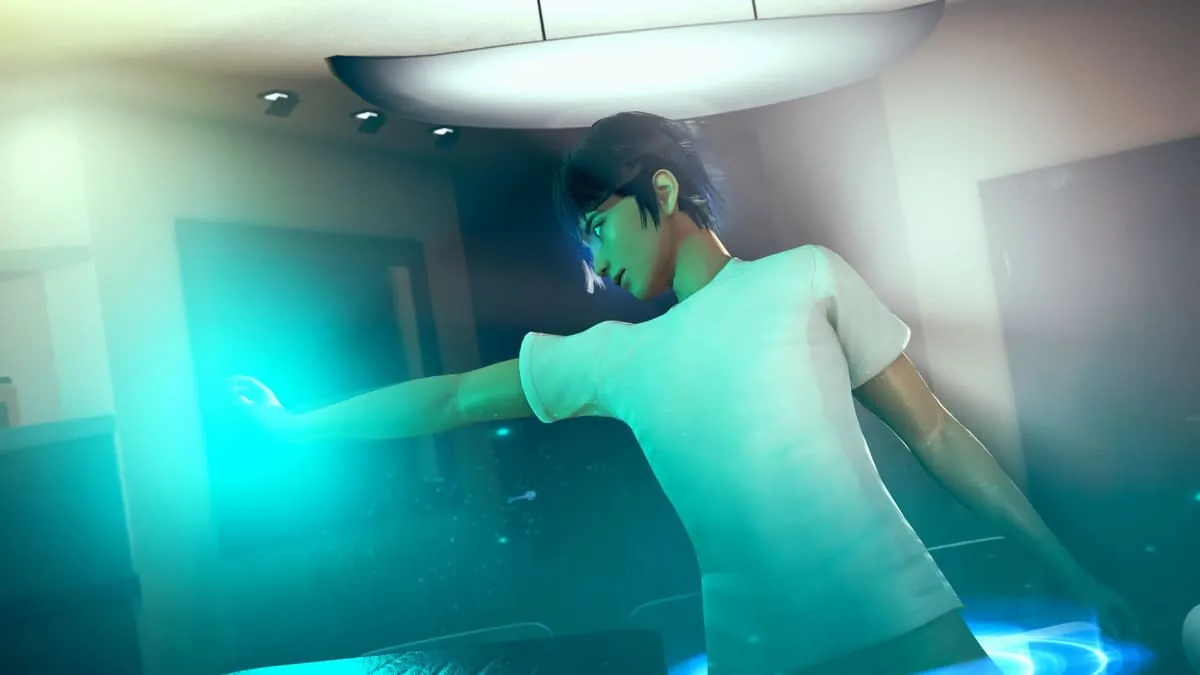
Realm Invader
Play Realm Invader
Realm Invader Screenshots










Realm Invader review
A comprehensive guide to understanding the multiverse adventure and what players should expect
Realm Invader is an adult-oriented adventure game that combines multiverse exploration with fantasy elements and anime-style humor. The game follows a protagonist who is unexpectedly transported across different realities, where they must learn to control magical abilities while navigating complex character dynamics. This comprehensive guide explores the game’s core mechanics, narrative structure, character relationships, and what makes it unique in the adult gaming landscape. Whether you’re curious about the gameplay loop, story progression, or character interactions, this article provides an in-depth look at what Realm Invader offers to players seeking narrative-driven adult entertainment.
Understanding Realm Invader’s Core Narrative and World-Building
Diving into Realm Invader for the first time, I was braced for another straightforward hero’s journey. What I got instead was a dizzying, hilarious, and often poignant trip through the cosmic back-alleys of existence. 🤯 The heart of this anime style game isn’t just its flashy combat or vibrant art; it’s a deeply woven multiverse game narrative that constantly asks what happens when an ordinary person is handed the keys to infinite realities. This chapter is your guide to understanding that narrative core—the twisting Realm Invader story, the unforgettable Realm Invader characters, and how it all shapes your Realm Invader gameplay experience.
If you’re like me, you play these games to get lost in a world. Let’s unpack exactly how Realm Invader builds its worlds, and whether its story holds up under the weight of its own ambitious premise.
The Multiverse Premise: How the Story Begins
The Realm Invader story kicks off not with a bang, but with a bizarre, cosmic clerical error. You play as Leo, a pretty average guy whose most exciting daily challenge is beating his high score on a mobile game. That is, until a glitch in the fabric of reality—literally described as a “dimensional tax evasion” by a panicked cosmic entity—sucks him out of his bedroom and into the Nexus. This isn’t just one new world; it’s the Grand Central Station of all possible worlds, a crumbling hub where realities bleed into one another.
This setup is the brilliant engine of the multiverse game narrative. You’re not a chosen one born with legendary power; you’re a system anomaly, a glitch that now has to be managed. Your initial goal is simple: survive and find a way home. But the Nexus is breaking down, and your unique, unstable connection to your home reality makes you oddly suited to patching the leaks… by invasively stabilizing other realms. Hence the title: you’re not invading with malice, but as a necessary, disruptive force.
Your power development is framed as a magical learning curve that feels refreshingly hands-on. There’s no ancient tome or wise old wizard. You learn to manipulate mana because you have to, experimenting with spells the way you might fiddle with a broken radio—sometimes with shocking (and comedic) results. One of my favorite early moments was accidentally transmuting a noble’s prize pet into a slightly confused potted fern, all while trying to demonstrate a simple shielding technique. The game’s systems tie your growing abilities directly to your understanding of each realm’s unique rules, making progression feel earned and contextual.
Here are the key plot points that define the early to mid game plot progression:
- The Accidental Summoning: Leo is pulled into the Nexus due to a “realignment cascade,” meeting his guide, the weary and sardonic cosmic bureaucrat, Kael.
- First Contact – The Verdant Realm: The initial tutorial world introduces core mechanics, establishing Leo’s role as a “Realm Stabilizer” and his first fraught partnership with a local guardian.
- The Nexus Revelation: Learning the true, decaying state of the multiverse and the existence of other, less benevolent “glitches” threatening the system.
- The Clockwork City: A realm governed by strict, mechanical law, where Leo’s chaotic magic causes a major diplomatic incident, forcing him to learn precision and control.
- Forming the Irregulars: The gathering of your core party—a group of other dimensionally-displaced beings and Nexus natives—each with their own grievances and goals.
- The Slave-Master Dynamic Emerges: In the Arcanum Demesne, Leo is forced into a magical contract to subdue a rogue, powerful entity, establishing the game’s most controversial relationship mechanic.
- Uncovering the Schism: The first hints that the multiverse’s decay might be intentional, the work of a faction believing total collapse and rebirth is the only true solution.
Character Dynamics and Relationship Mechanics
If the multiverse is the stage, the Realm Invader characters are the unpredictable, captivating players upon it. This isn’t a party of instant best friends united by a pure cause. It’s a support group for cosmic trauma, a band of misfits where alliances are fragile and motivations constantly clash. The character relationship dynamics here are the true soul of the experience.
Let’s talk about the elephant in the room: the master/slave dynamic. Early in the Realm Invader story, you encounter Aria, a being of immense, wild magical power who is bound by the laws of her realm. To prevent her from destructively unraveling a world, you are forced into a magical pact where you become her “anchor”—her master. The game doesn’t shy away from the uncomfortable power imbalance. Aria is defiant, proud, and deeply resentful. Your choices in dialogue and action directly affect this relationship. Will you be a tyrannical master, commanding obedience through the pact’s power? A neglectful one, ignoring her? Or will you strive for a partnership, slowly earning trust despite the cursed bonds?
In my playthrough, I chose the partnership path. It was a slow burn. One memorable side quest involved finding fragments of a song from her lost homeland, not because the pact compelled her to ask, but because I’d listened to her complain about the “toneless droning” of Nexus music. Finding those fragments unlocked no new skill, gave no powerful item. It just changed how she looked at me in the next story cutscene. That’s the depth here. This dynamic isn’t just for shock value; it’s a core narrative device exploring themes of agency, freedom, and how genuine connection can form in the most ethically murky circumstances.
The rest of the cast shines just as brightly. Kael, your cosmic guide, is a hilarious mix of deadpan exhaustion and hidden depths of loyalty. Mako, a warrior from a rust-punk realm, communicates mostly in grunts and combat pragmatism, but his loyalty to his own code is unshakeable. These relationships are built through optional dialogues, shared meals at the Nexus hub, and choosing who to take on missions. The Realm Invader gameplay experience is deeply affected by who you bond with, as certain character arcs unlock synergistic combat abilities and unique story branches.
| Character | Realm of Origin | Core Dynamic with Leo | Key Relationship Arc |
|---|---|---|---|
| Leo (You) | Earth (Baseline Reality) | The Anomaly / Reluctant Hero | Growth from confused victim to responsible multiversal citizen. |
| Aria | Arcanum Demesne | Bound Entity / Reluctant Partner | Evolving from hostile slave-master tension to a complex, earned alliance or further tyranny. |
| Kael | The Nexus | Weary Mentor / Bureaucratic Guide | Shifting from seeing Leo as a problem to manage to viewing him as a genuine, if chaotic, friend. |
| Mako | The Rust Desert | Combat Pragmatist / Honorable Ally | Developing mutual respect through shared struggle, moving from silent observer to trusted shield. |
| Lyra | Verdant Realm | Initial Antagonist / Cautious Friend | Overcoming first-impression hostilities to unite against a common multiversal threat. |
Narrative Pacing and Story Progression Issues
Here’s where the Realm Invader gameplay experience hits its most notable speed bumps. The multiverse game narrative is ambitious, juggling high-concept sci-fi, personal drama, and that signature anime style game humor. Sometimes, it drops a few balls. 🎪
The game plot progression is largely episodic. You get a mission to stabilize a realm, you go there, you solve its internal crisis (often tied to a core emotional or philosophical theme), and you return to the Nexus. This structure is clear and provides a satisfying rhythm of discovery and resolution. However, the balance between the overarching plot about the Nexus’s decay and these standalone stories can feel uneven. You might spend three hours resolving a fairy tale realm’s civil war, which is engaging on its own, only to get a 30-second hint about the larger conspiracy before being shoved into the next portal. It makes the central mystery sometimes feel like a distant backdrop.
The anime style game influence is strongest in the tone and presentation. Expect exaggerated reaction faces, over-the-top vocal performances during comedic moments, and visual gags. This is a double-edged sword. When it works, it’s genuinely funny and charming, breaking the tension after a heavy story beat. When it doesn’t, it can completely kill the mood. I recall a profoundly somber moment where a character was confronting the ghost of their past failure, only for the scene to be interrupted by a five-second chibi-style flashback of them tripping over their own feet. The whiplash was real.
This ties directly into player feedback on narrative consistency. The game’s greatest strength—its vibrant, chaotic energy—can also be a weakness.
“I love the characters and the worlds, but sometimes it feels like the game can’t decide what it wants to be. One minute I’m having a deep conversation about the ethics of altering a realm’s destiny, the next minute there’s a ten-minute unskippable hot spring scene with slapstick comedy. It makes it hard to stay invested in the serious stakes.” — A common sentiment from player forums.
Ah, the non-skippable animations. This is a major point of contention. While many story scenes are beautifully animated, crucial conversations, and especially certain comedic set-pieces, are locked in. On a first playthrough, it’s part of the charm. But if you’re replaying a section or just want to get back to the action, it can grind the game plot progression to a halt. The transitions between high-octane action, solemn story beats, and comedic relief can feel jarring rather than smooth, largely because you’re often forced to watch every second of the transition.
So, what’s the verdict on the Realm Invader story pacing? It’s passionate, bold, and full of heart, but undeniably messy. It asks for your patience. It asks you to embrace the tonal whiplash as part of its chaotic, multiversal identity. For players who can settle into its rhythm—who don’t mind that an epic boss fight might be preceded by a quest to find the best noodles in the Nexus—the journey is incredibly rewarding. You’re not just following a plot; you’re living in a wildly unpredictable, often dysfunctional, but always fascinating family of dimension-hoppers. Your investment in the character relationship dynamics ultimately becomes the glue that holds the sprawling, bumpy, and beautiful multiverse game narrative together.
Realm Invader presents an ambitious multiverse adventure that blends fantasy elements with adult-oriented content and anime-inspired humor. The game’s core premise of interdimensional travel and magical development offers an interesting foundation, though player feedback suggests the narrative could benefit from more consistent character arcs and clearer story direction. The relationship dynamics, particularly the master/slave dynamic, create interesting narrative tension but require careful handling to maintain player engagement. Understanding these elements helps potential players determine whether Realm Invader aligns with their preferences for story-driven adult gaming experiences. As the game continues to develop, addressing pacing concerns and narrative consistency could significantly enhance the overall player experience.