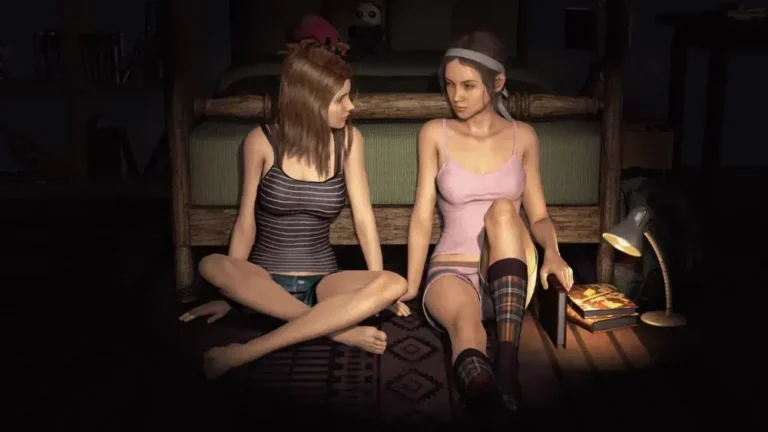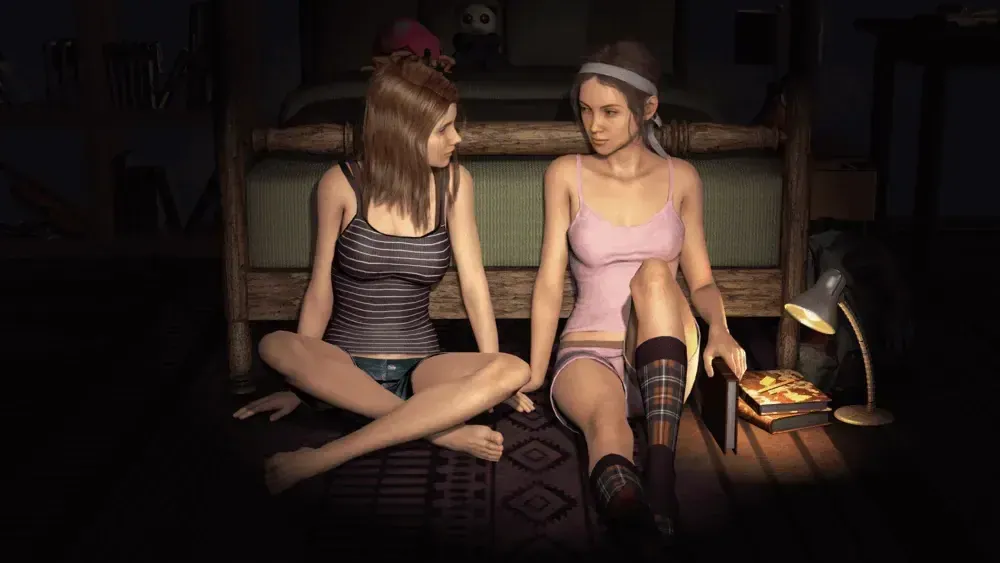
Short Sad Stories
Play Short Sad Stories
Short Sad Stories Screenshots


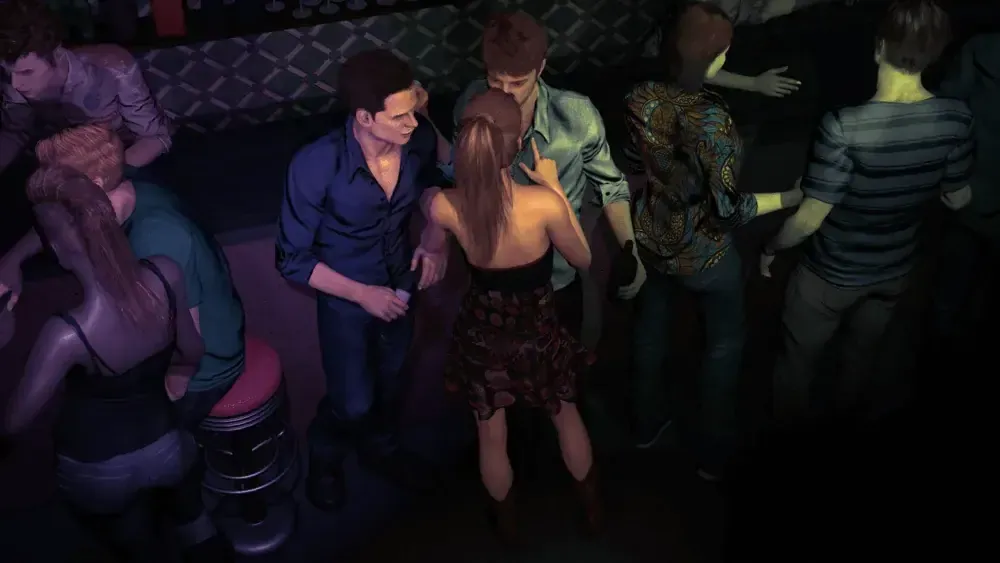
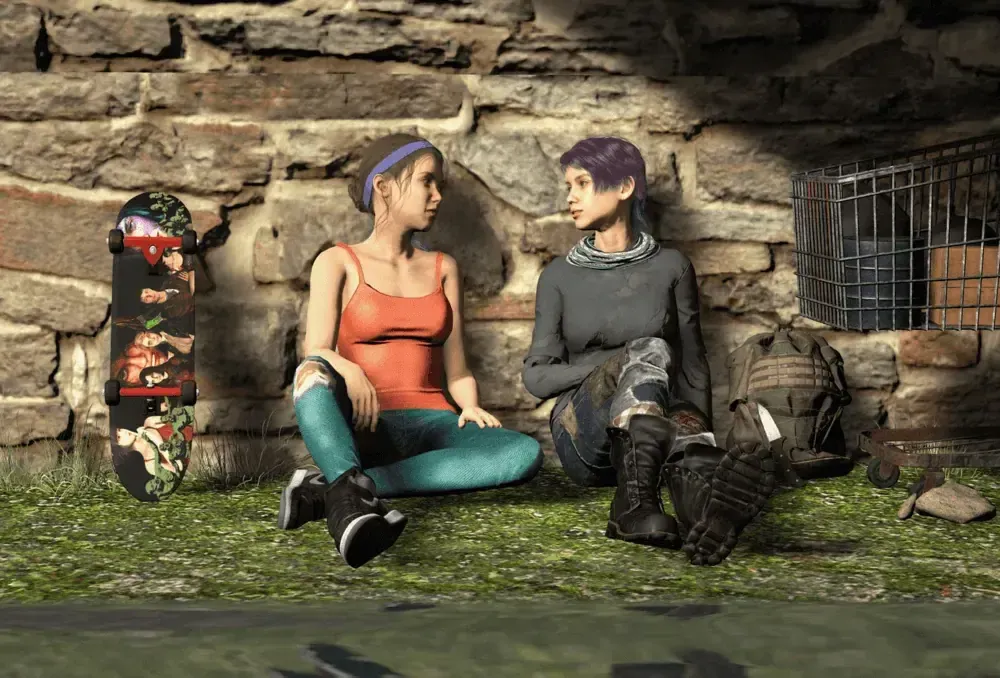
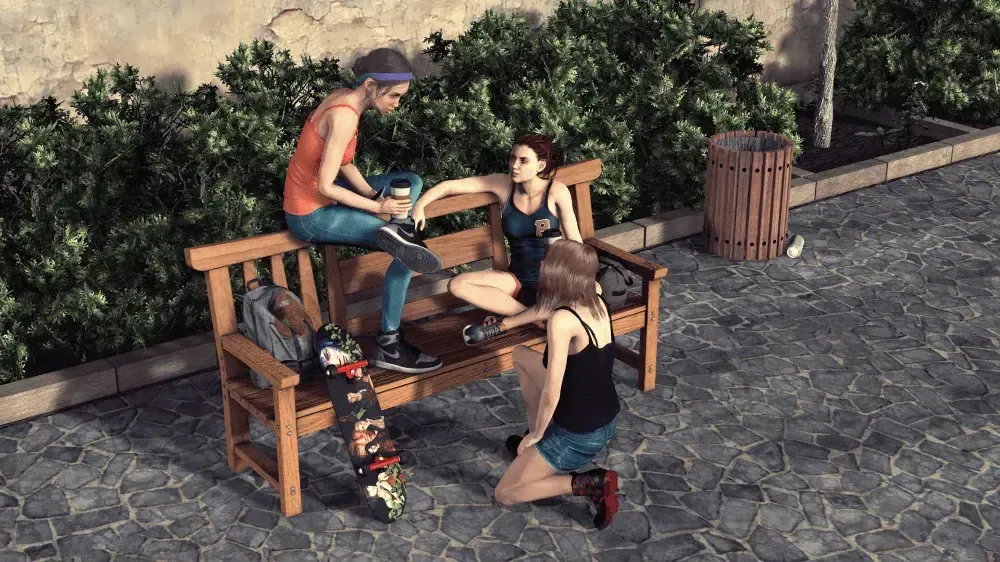
Short Sad Stories review
Exploring the unique narrative and gameplay of Short Sad Stories
Short Sad Stories is a distinctive interactive game that blends emotional storytelling with player-driven choices, creating a compelling narrative experience. This article explores the core elements that make Short Sad Stories engaging, from its immersive plot to its branching storylines and character development. Whether you’re curious about its gameplay mechanics or the emotional depth it offers, this guide provides a comprehensive look at what makes this game resonate with players.
Understanding the Narrative and Emotional Depth of Short Sad Stories
Let’s be honest, we play games for a lot of reasons: to escape, to compete, to conquer. But what about when we want to feel? I mean, really feel? That’s where Short Sad Stories carves out its own quiet, powerful space. It’s not about the adrenaline rush of a headshot or the triumph of a final boss. It’s about the lump in your throat, the quiet moment of reflection after you put the controller down, and the stories that linger with you for days. This isn’t just a game; it’s a masterclass in emotional storytelling game design, asking us to find meaning not in victory, but in vulnerability.
As a player who’s been through its poignant journeys, I can tell you—the Short Sad Stories narrative is an experience that redefines what interactive media can be. 🕯️
What Makes the Storyline Unique?
Forget epic quests to save the world. The Short Sad Stories narrative finds its magic in the miniature, the personal, and the profoundly human. Its uniqueness lies in a few key pillars that separate it from the crowd.
First, it embraces brevity as a strength. These are not 50-hour sagas. They are compact, focused emotional vignettes, often playable in a single sitting. This concentrated format means every scene, every line of dialogue, and every environmental detail is meticulously crafted to serve the emotional core. There’s no filler, only feeling. It’s the difference between a novel and a perfectly crafted short story that leaves you breathless.
Second, it masterfully blends interactivity with inevitability. As an interactive sad story game, you have agency. You make choices, you explore environments, you piece together clues. But crucially, your choices often don’t change the ultimate, sad outcome; they change your understanding of it, and your emotional journey toward it. You aren’t playing to “win” or get a “good ending.” You’re playing to witness, to empathize, and to understand. This shifts the player’s goal from achievement to emotional comprehension.
“The most powerful moment for me wasn’t a choice I made, but a simple, mandatory action the game asked me to perform—like putting a photograph in a box. In that small, slow animation, the weight of the entire story crashed down. That’s the genius of its design.”
Finally, the game leverages environmental storytelling to an exquisite degree. Sadness isn’t just in the text; it’s in the empty chair at the dinner table, the fading light in a dusty room, the repetitive, mundane task you must complete. The world itself becomes a character, whispering its sad story themes of absence and memory. This approach creates a deep, immersive player emotional connection that feels earned, not engineered.
How Emotional Engagement Enhances Gameplay
In most games, emotions are a byproduct—you feel excited because you won, frustrated because you lost. In Short Sad Stories, emotional engagement is the gameplay. This flips the entire paradigm on its head and creates something incredibly special. 😢
Think of your typical game mechanics: jump, shoot, solve, collect. Now, what if the core mechanics were: remember, grieve, forgive, let go? This game builds its interaction around these very concepts. You might be sorting through a loved one’s belongings, replaying a fading memory, or writing a letter you’ll never send. These aren’t minigames; they are the primary verbs of the experience. This direct link between action and emotion forges an unforgettable bond. The emotional engagement in games here isn’t passive; you are an active participant in the feeling.
This also creates a powerful sense of presence and responsibility. Because you are performing these intimate, often melancholic actions, you feel directly implicated in the narrative. You’re not watching a character be sad; you are, through your controlled actions, experiencing that sadness alongside them. This shared vulnerability is what transforms a simple story into a profound personal memory. The player emotional connection becomes the most valuable reward the game offers.
Furthermore, this focus allows the game to explore emotional pacing. Just like a good piece of music, it knows when to swell with emotion and when to sit in silence. The gameplay slows you down, forces you to linger in uncomfortable moments, and gives you space to process. This deliberate pacing is a form of respect for both the subject matter and the player, making the emotional storytelling game resonate on a much deeper level.
Examples of Key Story Arcs and Themes
The true power of Short Sad Stories is best shown, not just told. Let’s look at some specific arcs that highlight its narrative mastery and how its game story arcs are engineered for maximum emotional impact. 💔
One memorable arc revolves around the theme of Unsaid Goodbyes. You play as someone cleaning out their parent’s home after they’ve passed. The “gameplay” involves opening drawers, reading old notes, and deciding what to keep or donate. A key moment comes when you find a series of unposted birthday cards written to you. The arc isn’t about a dramatic reveal; it’s about the quiet accumulation of small, missed connections. The sad story themes of regret and unexpressed love become palpable through your direct interaction with these objects.
Another powerful game story arc explores Fading Memories, perhaps dealing with a character experiencing dementia. The world literally becomes less detailed and more fragmented as you play. Choices you make might “solidify” a memory or let it slip away forever. This arc is brilliant because it uses the interactive medium to make you feel the helplessness and confusion of memory loss, creating an empathetic link that text or film alone could not achieve.
To break down how these arcs function, let’s look at their common structural elements:
| Story Arc Theme | Core Gameplay Mechanic | Emotional Payoff |
|---|---|---|
| Loss & Letting Go | Curating a physical space (keeping/discarding items). | A bittersweet catharsis and acceptance of change. |
| Regret & Missed Chances | Replaying a memory sequence with minor variations. | The painful understanding that some moments are permanently gone, despite our wishes. |
| Quiet Loneliness | Completing mundane, repetitive daily tasks in an empty environment. | A deep, immersive sense of solitude and the weight of absence. |
These arcs work because they are universally relatable. We’ve all felt loss, regret, or loneliness. Short Sad Stories doesn’t invent new emotions; it provides a safe, beautiful space to visit and acknowledge the ones we already carry. By making you an active participant in these stories, it ensures the player emotional connection is direct and personal. You aren’t just learning about a character’s sorrow; you are, in a small but significant way, invited to hold it with them.
This is the ultimate triumph of Short Sad Stories as an interactive sad story game. It proves that games can be a medium for mature, reflective, and deeply human experiences. It asks for your heart, not your reflexes, and in return, it offers a rare and valuable gift: a deeper connection to the poignant, beautiful, and sometimes sad truths of being alive. 🌌
Short Sad Stories offers a uniquely emotional and interactive experience that deeply resonates with players through its compelling narrative and meaningful choices. By engaging with its branching paths and immersive storytelling, players can explore a range of emotional outcomes and personal connections. Whether you’re new or returning, this game invites you to experience a powerful journey that blends sadness with interactive depth. Dive in and discover the many layers of Short Sad Stories for yourself.