
Somewhere I Belong
Play Somewhere I Belong
Somewhere I Belong Screenshots








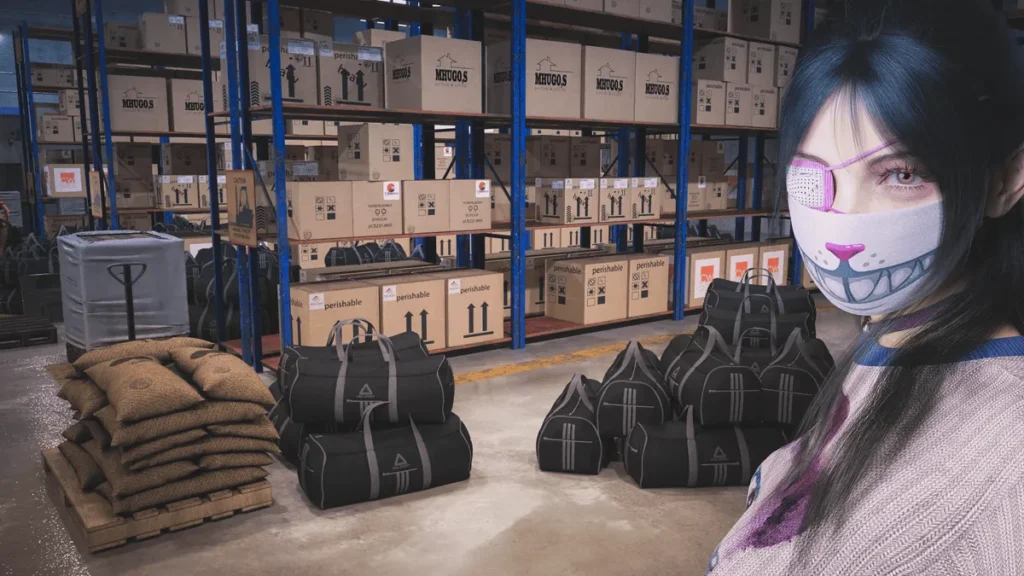
Somewhere I Belong review
Explore the post-apocalyptic survival experience with detailed gameplay insights
Somewhere I Belong stands out as a unique post-apocalyptic survival experience that combines narrative depth with immersive gameplay. Developed by Mr Baker, this title transports players into a zombie-ravaged South American landscape where survival isn’t just about combat—it’s about building relationships, making moral choices, and establishing your place in a fractured society. Whether you’re interested in the compelling storyline, character interactions, or the strategic survival mechanics, this guide covers everything you need to know about this engaging title.
Story & Setting: Understanding the Narrative Foundation
Picture this: you’re finally on that dream vacation, sipping a cool drink on a sun-drenched South American coast. The last thing on your mind is the end of the world. Then, the news reports start. First, it’s distant riots. Then, vague talk of a “contagious aggression.” 🏖️➡️😱 Your phone buzzes with frantic embassy warnings just as the screams erupt from the streets. This is how Somewhere I Belong begins—not as a prepared soldier, but as a terrified tourist thrown into absolute chaos. Your journey in this post-apocalyptic survival game is defined not by power, but by desperation and the primal need to find a place where you can simply exist.
This initial panic is masterfully crafted. You’re not given a weapon or a mission. You’re given confusion, fear, and the overwhelming instinct to run. The zombie outbreak storyline doesn’t feel like a generic premise; it feels like a personal catastrophe. You’ll scramble through crumbling cities, witnessing society’s last moments firsthand, before a desperate evacuation leads you to the one place rumored to be safe: a massive, fortified island city, the last major bastion of humanity.
The Outbreak: How Your Journey Begins
The genius of Somewhere I Belong’s opening is its relatability. You aren’t a hero. You’re just you, caught in the wrong place at the worst possible time. The game spends its crucial first hours making you feel lost and vulnerable. Resources are scarce, trust is rarer, and every shadow could hold a threat. This phase is less about combat and more about narrative-driven gameplay that establishes the world’s brutal tone.
You’ll learn the backstory organically. It’s been two years since the first major wave of the outbreak. Nations collapsed trying to contain it, borders became meaningless, and the lucky few made it to fortified enclaves like the island city of Esperanza. When you finally board that crowded evacuation transport, you’re not a savior arriving. You’re another hungry mouth, another potential carrier, another body to compete for space. You arrive with the clothes on your back and a head full of trauma. This is the core of the safe zone survival mechanics—you must build an entire life from absolute zero.
“Your first night in Esperanza isn’t spent celebrating survival. It’s spent shivering in a crowded refugee center, wondering how you’ll eat tomorrow. The apocalypse isn’t over; it’s just changed forms.”
This setup creates an incredible sense of player agency and consequences from the very start. Do you hoard the canned food you found, or share it with the coughing family next to you? That first decision, small as it seems, begins to define who you will become in this new world.
Life in the Safe Zone: Building From Nothing
Welcome to Esperanza. 🏙️ The skyline is impressive, a jagged silhouette of pre-fall skyscrapers and haphazard fortifications. But down on street level, the truth is grim. This is a society on a knife’s edge. You have no money, no home, no connections. Your first task isn’t to kill zombies—it’s to find a way to earn a single credit to buy a stale piece of bread.
This is where Somewhere I Belong truly shines as a unique post-apocalyptic survival game. The “survival” isn’t just about health bars; it’s about social and economic integration. You’ll take on menial jobs, run errands for powerful figures, and slowly navigate the complex web of character relationships and choices that dictate life in the city. Will you align with the strict, militarized City Guard who promise order at a cost? Or with the resourceful, underground Scavenger Guild that operates in the legal gray areas?
| Your Starting Point | Early Game Challenges | Long-Term Implications |
|---|---|---|
| No currency, shelter, or reputation. | Finding consistent food/water, securing a safe sleeping spot, avoiding exploitation. | Determines which factions will initially trust you and what job opportunities are available. |
| Minimal combat skills or supplies. | Taking on low-risk, low-reward tasks like courier work or basic repair. | Shapes your skill development path—will you become a trader, a fighter, or a diplomat? |
| “Refugee” social status. | Facing prejudice from longer-term residents, building your first genuine alliance. | Lays the emotional foundation for future **character relationships and choices**, creating allies or enemies for life. |
Every interaction is a transaction. Helping a store owner fix his security system might earn you a friend and a discount. Ignoring a neighbor’s plea for medicine might save your resources but create a silent enemy who remembers your selfishness when you’re in need later. The safe zone survival mechanics are a delicate dance of economics, social favor, and personal morality.
Moral Choices: Shaping Your Path Forward
This brings us to the heart of the experience: the moral decision system. Somewhere I Belong rarely presents you with obvious “good vs. evil” buttons. Instead, it gives you brutally practical dilemmas with real, tangible outcomes. The game’s narrative-driven gameplay is woven directly into these moments.
Let’s look at a concrete example from early in the game:
-
The Scenario: You’ve landed a job clearing out a small, infected apartment block with a few other desperate refugees. After a tense fight, you discover a hidden stash of antibiotics and rare vitamins—a fortune in the post-outbreak world. Your group’s leader, a grim man named Kael, says to report it as “empty” and split the loot silently. Another member, a young woman named Anya, argues that the local clinic is desperately low on these exact supplies and people will die without them.
-
Choice A: Side with Kael (Exploit for Power). You split the loot. You gain a significant boost to your personal wealth and Kael’s respect. He later introduces you to his black-market contacts, unlocking new, lucrative (and often dangerous) job opportunities. However, Anya despises you. Weeks later, when you need someone to vouch for your character to the clinic doctors (who she volunteers for), she refuses. A storyline about gaining access to advanced medical care becomes much harder, or more expensive.
-
Choice B: Side with Anya (Help Those in Need). You insist on turning the supplies in. You gain a massive reputation boost with the clinic and the community-focused faction. Anya becomes a loyal friend and a gateway to missions helping the city’s vulnerable. However, Kael brands you a “goody-two-shoes” and a risk. Those high-profit underground jobs dry up. Your path to wealth is now slower, based on community trust and open trade rather than quick, shady scores.
This is the essence of player agency and consequences. There’s no “right” answer, only different paths that permanently alter your relationships, your available storylines, and your view of the city. The moral decision system ensures your version of Esperanza is uniquely yours. Will you be a ruthless opportunist, climbing over others to secure your own comfort? A beacon of hope, struggling to uphold decency in an indecent world? Or a pragmatic survivor, making tough calls that leave your hands dirty but your stomach full?
These choices ripple outwards. 🤝➡️🌊 A character you help early on might show up later to rescue you from an ambush. A vendor you cheated might sell you faulty equipment that fails at a critical moment. The game remembers, and its world reacts accordingly. This creates an unparalleled sense that your actions truly matter, making the zombie outbreak storyline feel less like a script you’re following and more like a life you’re living—with all its difficult compromises and hard-won victories.
In Somewhere I Belong, finding where you belong isn’t just about a physical location. It’s about deciding who you are in a world that has lost all its rules. It’s about building your place, your reputation, and your legacy one agonizing choice at a time, in one of the most compelling and personal post-apocalyptic survival game worlds ever created.
Somewhere I Belong delivers a compelling blend of narrative-driven gameplay and survival mechanics that keeps players engaged through meaningful choices and character development. From the moment you arrive as a tourist to your emergence as a respected mercenary, the game creates a personal connection to its post-apocalyptic world. The combination of relationship building, moral decision-making, and strategic resource management ensures that each playthrough feels unique. Whether you’re drawn to the intricate storytelling, the visual presentation, or the complex survival systems, this title offers substantial content across multiple platforms. If you’re seeking an immersive experience that respects player agency and delivers consequences for your choices, Somewhere I Belong merits your attention.