
Dreaming of Dana
Play Dreaming of Dana
Dreaming of Dana Screenshots
Dreaming of Dana review
Dive into Forbidden Desires and Family Secrets
Imagine stepping into the shoes of a spoiled rich kid, handed everything on a silver platter, now stuck in a dull office job at your dad’s company. That’s the hook of Dreaming of Dana, the gripping Ren’Py game by PTOLEMY that uncovers buried feelings for your sister Dana. I remember my first playthrough—heart pounding as choices led to steamy encounters and twisted family drama. This guide breaks down the story, mechanics, and secrets to help you master every sensual path. Whether you’re chasing affection highs or hidden scenes, get ready for an erotic adventure blending ambition, romance, and taboo thrills.
What Makes Dreaming of Dana So Addictive?
Let me tell you about the night I got hooked. I was just clicking around, looking for a new story to dive into, and I stumbled on this Ren’Py game Dreaming of Dana. An hour later, I was leaning forward in my chair, completely absorbed. I wasn’t just playing a game; I was living a double life. One moment, I’m a directionless rich kid pretending to care about spreadsheets at my father’s company. The next, I’m navigating a minefield of old feelings and new temptations, all under the same roof. That’s the magic trick this game pulls off, and it’s exactly what makes Dreaming of Dana so addictive. 😮
It’s a masterclass in tension, weaving together power, control, and seduction into a story that feels dangerously personal. If you’ve ever wondered what is Dreaming of Dana about, at its heart, it’s a journey of reintegration—into a family, into a corporate world, and into the deepest parts of your own desires. You play as the protagonist, returning home to work for your dad, only to find the past isn’t just waiting for you… it’s sharing your hallway, giving you sly looks across the dinner table, and sleeping behind a door you used to know how to open.
Unpacking the Core Storyline and Family Drama 🏠
The Dreaming of Dana plot is deceptively simple on the surface: a young man goes to work at his father’s firm and reconnects with his family. But oh, what a tangled web lies beneath. The true engine of the Dreaming of Dana storyline is the suffocating, electric family drama in Dreaming of Dana. This isn’t about shouting matches and slammed doors (though the potential is there). It’s about the quiet, devastating weight of things left unsaid.
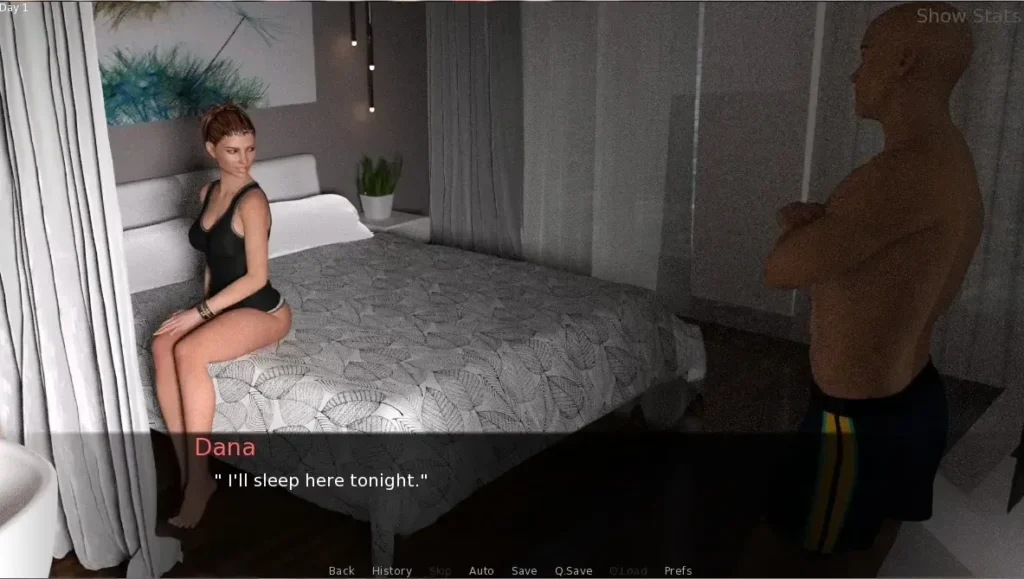
That moment when you sit down for the first family dinner… it hit me hard. The dialogue is crisp, loaded with subtext. A simple “How was your day?” from your father feels like an interrogation. A glance from your stepsister, Dana, holds a universe of shared history and forbidden charge. The game uses environmental storytelling brilliantly. Seeing Dana’s bedroom door, knowing what it represents—both a memory and a barrier—is a punch to the gut. This careful, deliberate pacing lets the emotional storytelling breathe and build.
The central forbidden thread—rekindling a complex, intimate past with Dana—is the spark, but the fire is fueled by a fantastic cast of other characters you meet at the office and beyond. Each represents a different path, a different temptation, or a different piece of the puzzle in your new life. The themes here are mature and compelling:
- Truth vs. Perception: What really happened in the past? How do different family members see you now?
- Guilt and Forgiveness: Can you forgive your father for past decisions? Can you forgive yourself?
- Failed Expectations: The pressure to live up to a legacy you never asked for.
- The Silence Between Words: The most powerful moments are often what is not said during a conversation.
This rich thematic layer is what elevates the Dreaming of Dana storyline beyond a simple tale of scandal. It makes you care about the why behind every glance and every choice.
How Choice-Driven Paths Shape Your Experience 🧭
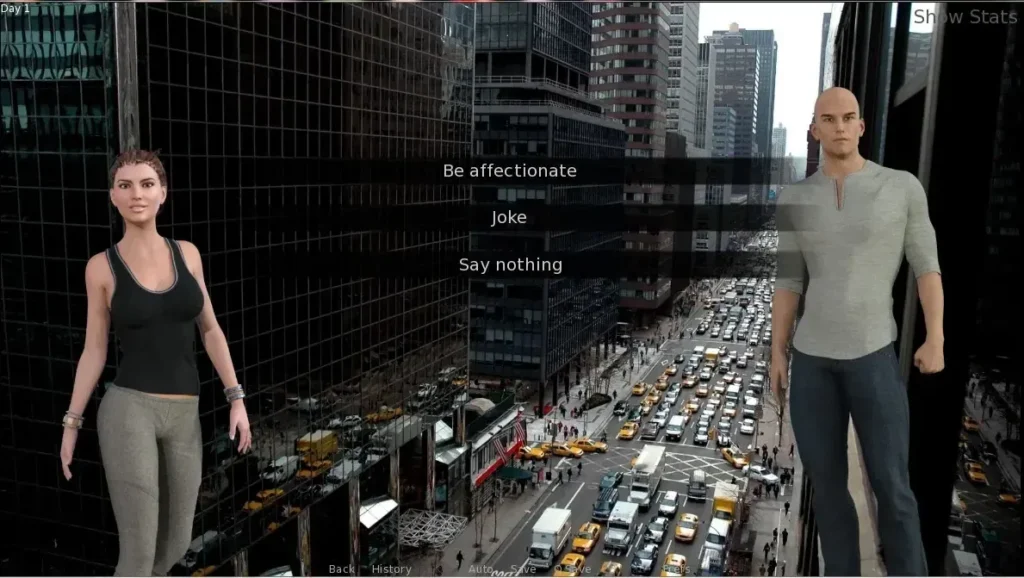
This is where the Ren’Py game Dreaming of Dana truly shines and separates itself from the crowd. Dreaming of Dana choices aren’t just cosmetic dialogue tweaks; they are the architects of your entire reality. Every interaction is a building block. A flirtatious comment at the water cooler builds Affection points with a colleague. A bold, intimate question for Dana builds Sexuality points. These invisible metrics are the currency of your success, silently unlocking new dialogue branches, intimate moments, and ultimately, determining which of the game’s many conclusions you will reach.
Pro Tip: Save often, and in different slots! A choice in Chapter 2 can have profound consequences in Chapter 7. The game rewards long-term strategy, so don’t be afraid to replay a scene to see how a different approach changes the vibe.
The branching narrative is immense. Want to pursue a purely professional path and mend fences with your dad? You can. Want to dive headfirst into office romances and ignore the family tension? Go for it. Or, as many players find themselves irresistibly drawn to, you can walk the razor’s edge of rekindling that forbidden connection with Dana, balancing familial duty with passionate desire. This level of agency is intoxicating. You’re not watching a story unfold; you’re writing it with every decision.
To see how this choice-driven design sets it apart, let’s compare it to a more standard life simulation game:
| Feature | Typical Life Sim Game | Dreaming of Dana |
|---|---|---|
| Primary Focus | Resource management, skill grinding, daily routines | Emotional storytelling and narrative consequence |
| Choice Impact | Often affects short-term stats or minor events | Alters long-term relationships, story paths, and endings |
| Romance System | Checklist of gifts and compliments to raise a “like” meter | Complex points system (Affection/Sexuality) built through nuanced, bold dialogue and narrative actions |
| Pacing | Player-driven, can feel repetitive or grindy | Narrative-driven, with a deliberate, tense pace that builds suspense |
As you can see, the Dreaming of Dana plot is built on a foundation of meaningful interactivity. The “game” isn’t separate from the story; it is the story.
Why Players Can’t Stop Coming Back for More 🔄
So, what’s the secret sauce? Why do players download this 1.05 GB experience (now in a rich, complete version 0.099) and lose entire weekends to it? The addiction comes from a perfect storm of factors.
First, there’s the emotional investment. Because your choices matter so much, you become deeply attached to “your” version of the characters. Did I make Dana smile with a nostalgic whisper? Did I gain my father’s respect with a shrewd business move? These victories feel personal. Conversely, a misstep that leads to a cold shoulder or a locked door feels like a genuine loss. The game masterfully uses blackmail and intrigue not just as plot devices, but as tools to raise the stakes of your personal connections, making every secret you uncover or hide feel dangerously consequential.
Second, the sheer volume of content and paths. You simply cannot see everything in one playthrough. The Dreaming of Dana choices create a labyrinth of possibilities. After my first ending (a bittersweet mix of professional success and personal distance), I immediately started a new game. This time, I was going to be bolder, take more risks with Dana, and ignore the corporate ladder. The experience was dramatically different. New scenes, new tensions, new intimate moments—it was like playing a sequel set in the same house. This replayability is a huge part of the hook.
Finally, it’s the visceral satisfaction of the payoff. The game doesn’t shy away from uncensored content, and these scenes are earned. They aren’t random rewards; they are the culmination of carefully built relationships and daring choices. Unlocking a deeply intimate scene with a character feels like a narrative achievement, the result of your skill as a player in navigating the social and emotional landscape. It’s a powerful feedback loop: you make choices, you see immediate and long-term reactions, you build points, and you are rewarded with deeper story progression and connection.
To get the most out of this addictive loop, here’s my practical, actionable advice:
* Talk to everyone, every time. Exhaust dialogue options. The most crucial story clues often come from casual conversations.
* Aim for high affection early. Don’t be passive. If you’re interested in a character, start making your intentions (subtly or not-so-subtly) known from your first interactions.
* Embrace the tension. The family drama in Dreaming of Dana is the soul of the game. Don’t rush past the awkward dinners or charged silences—savor them. That’s where the best writing lives.
* Keep multiple saves. Seriously. It’s your best friend for exploring the vast Dreaming of Dana storyline without regret.
In the end, what is Dreaming of Dana about? It’s about the secrets we keep, the desires we suppress, and the fragile, complicated bonds of family. It presents you with a world of forbidden desires and family secrets and says, “Navigate this.” The addiction comes from the terrifying, thrilling realization that you can, and that every step you take truly matters. Once you start dreaming, you’ll find it very hard to wake up. 😴✨
Dreaming of Dana pulls you into a web of family secrets, office seduction, and steamy choices that linger long after the credits roll. From building affection with Dana and other characters to unlocking those heart-racing scenes, it’s a masterclass in erotic storytelling. My top tip? Experiment with bold paths early—they lead to the most rewarding twists. If you’re craving immersive adult gaming with real emotional punch, download version 0.099 today and lose yourself in the dreams. What’s your favorite route? Dive in and find out.